The War That Accidentally Taught America to Read on the Go
When Books Were Furniture
In 1940, if you wanted to read a "real" book, you bought a hardcover. Period. Paperbacks existed, but they were considered trashy — the literary equivalent of pulp magazines filled with detective stories and romance novels that respectable people definitely didn't read (in public, anyway).
Hardcover books were substantial, permanent, expensive. They looked impressive on shelves and felt important in your hands. Publishers protected this market fiercely, believing that serious readers would always pay premium prices for premium products. The idea that someone might want to read Hemingway on a train or Steinbeck at the beach was almost offensive to the literary establishment.
Then World War II changed everything.
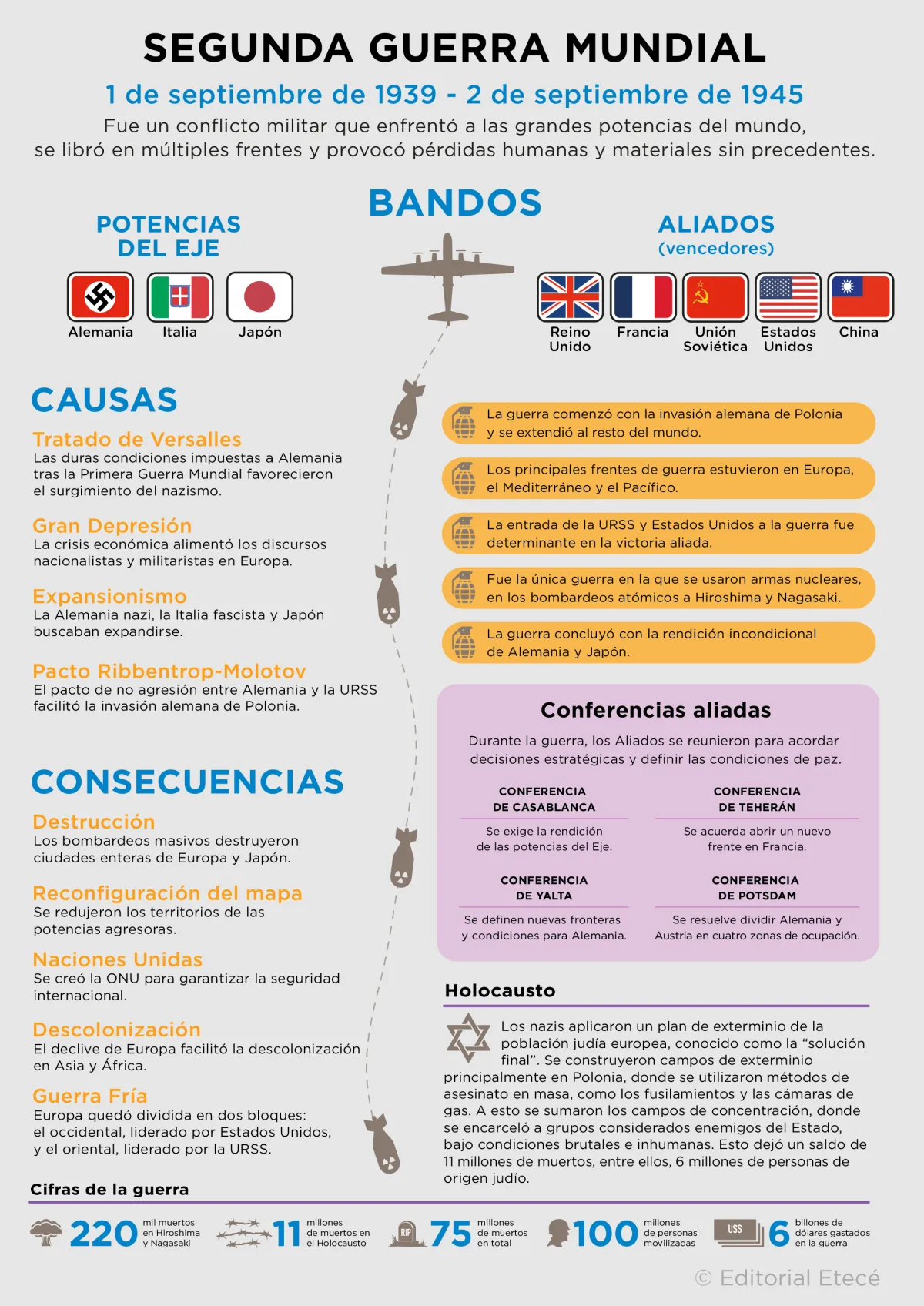 Photo: World War II, via meaningss.com
The Government Steps In
By 1943, twelve million American men were serving overseas, many of them stationed in remote locations with absolutely nothing to do. The military brass realized they had a morale problem: bored soldiers make poor soldiers.
Libraries and bookstores back home were already organizing book drives, collecting hardcover donations to ship overseas. But hardcovers were heavy, bulky, and expensive to ship. Worse, they fell apart quickly in the humidity of the Pacific theater or the mud of European battlefields.
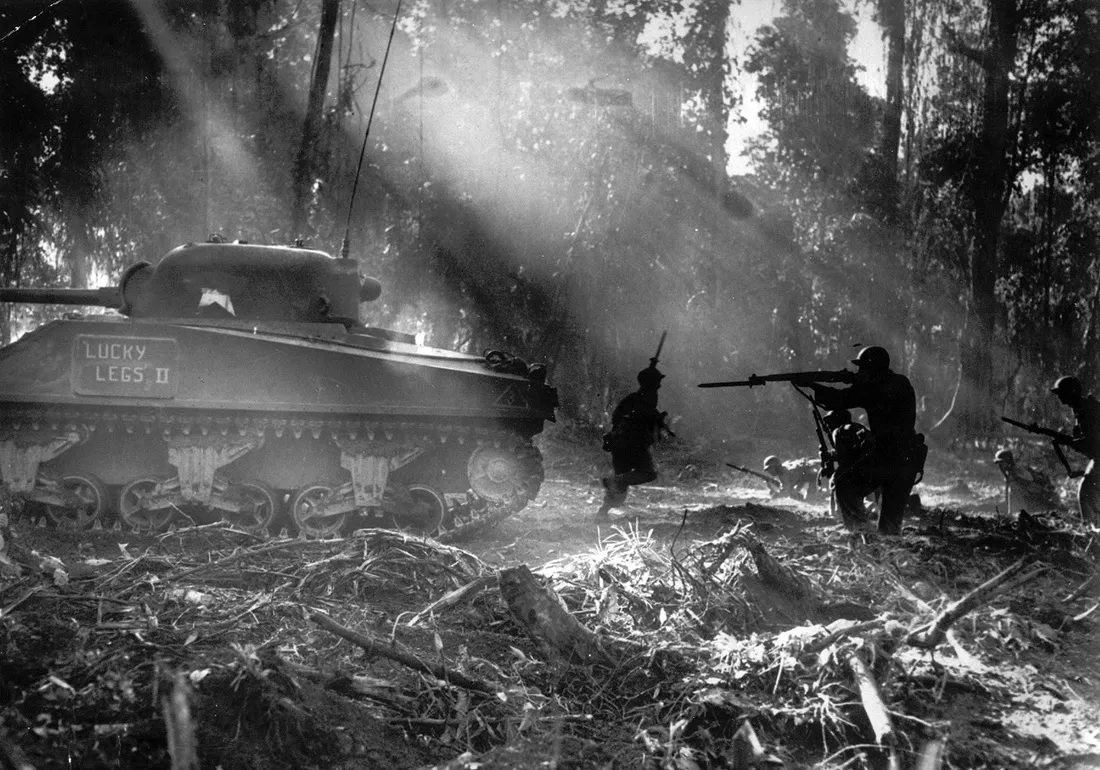 Photo: Pacific theater, via mvhsww2project.weebly.com
The government needed a better solution. They needed books that were lightweight, durable, cheap to produce, and easy to ship in massive quantities. They needed the publishing equivalent of K-rations: functional, portable, and mass-producible.
Enter the Armed Services Editions
The Council on Books in Wartime, a collaboration between publishers and the military, came up with an ingenious solution. They would create special paperback editions designed specifically for military distribution — books that were smaller, lighter, and cheaper than anything the civilian market had ever seen.
These weren't your typical paperbacks. The Armed Services Editions were printed on a horizontal format, designed to fit in a soldier's pocket or pack. They used whatever paper was available (often low-quality stuff that publishers normally rejected), and they were printed in massive runs that brought costs down dramatically.
Between 1943 and 1947, the program printed 123 million books. That's not a typo — 123 million copies of 1,322 different titles, distributed free to American servicemen around the world.
Democracy Meets Literature
The selection process was fascinating. Military officials and publishers worked together to choose books that would appeal to soldiers from every background and education level. The list included everything from classic literature to popular fiction, from technical manuals to humor collections.
Soldiers got Hemingway and Shakespeare, but they also got detective novels and westerns. They received serious histories alongside comic collections. The Armed Services Editions treated all genres as equally valid, which was revolutionary for an era when literary snobs strictly separated "high" and "low" culture.
More importantly, the books were free. Soldiers didn't have to choose between buying a book and buying cigarettes. They could read voraciously without worrying about cost, discovering authors and genres they might never have encountered otherwise.
The Accidental Reading Revolution
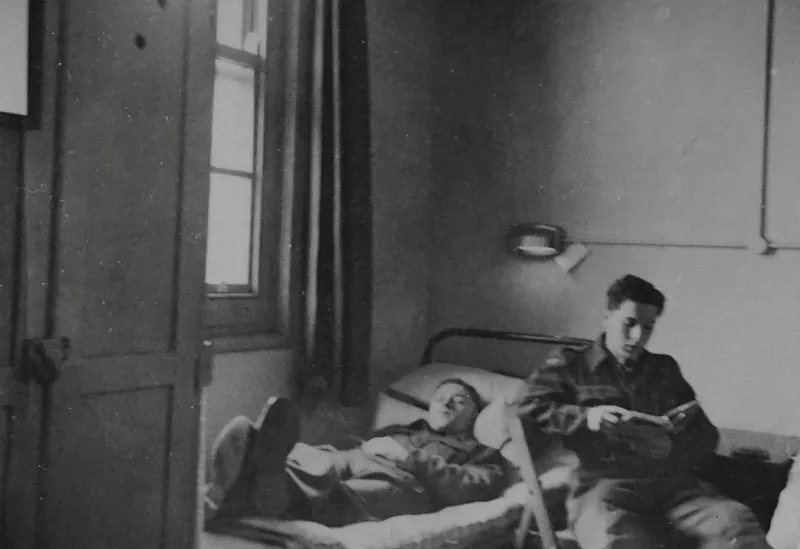
Something unexpected happened during those four years: an entire generation of American men learned to read casually. They read on ships, in foxholes, in barracks, and during long waits between battles. They read lying down, standing up, and walking around. They read books until the covers fell off, then passed them along to other soldiers who did the same.
They learned that books didn't have to be precious objects carefully preserved on shelves. Books could be disposable, portable, and functional. You could read them anywhere, anytime, and it didn't matter if they got beat up in the process.
This was a fundamental shift in American reading culture. Before the war, reading was often a formal activity that happened in libraries or studies. After the war, reading became something you could do anywhere.
Publishers Expect the Fad to Die
When the war ended in 1945, publishers figured the paperback experiment was over. They expected returning soldiers to go back to buying "real" books — hardcovers that looked proper on living room shelves.
They were spectacularly wrong.
Soldiers came home with a completely different relationship to books. They'd spent years reading cheaply and casually, and they weren't about to stop. They wanted books they could read on commuter trains, during lunch breaks, and while traveling. They wanted books that cost fifty cents instead of three dollars.
More importantly, they'd discovered that paperbacks could contain the same great stories as hardcovers. The format didn't determine the quality — the writing did.
The Mass Market Explosion
Publishers scrambled to meet this unexpected demand. Pocket Books, which had been struggling since 1939 with their paperback experiment, suddenly found themselves overwhelmed with customers. Other publishers rushed to create their own paperback lines.
By 1950, mass-market paperbacks were everywhere — drugstores, newsstands, train stations, and grocery stores. Publishers had accidentally created an entirely new retail category. Books were no longer confined to bookstores and libraries; they were impulse purchases available wherever people shopped.
The economics were revolutionary too. Paperbacks could be profitable at much lower prices because they could be sold in much higher quantities. A hardcover might sell 5,000 copies at $3 each. A paperback could sell 100,000 copies at 50 cents each and make more money.
Creating the Modern Reader
The Armed Services Editions didn't just change the book industry — they changed American reading habits permanently. They created the modern casual reader: someone who reads for pleasure, buys books impulsively, and doesn't worry about building an impressive personal library.
They also democratized serious literature. Before the war, many Americans never read authors like Faulkner or Dos Passos because hardcover prices put those books out of reach. After the war, those same authors were available in paperback for the price of a magazine.
The portable reading culture that started in military barracks spread everywhere: beaches, airplanes, coffee shops, and subway cars. Americans learned to read anywhere and everywhere, treating books as entertainment rather than cultural obligations.
The Legacy in Every Airport Bookstore
Today's mass-market paperback industry — worth billions of dollars annually — traces directly back to those wartime experiments with cheap, portable books for soldiers. Every airport bookstore, every drugstore paperback rack, every beach read exists because World War II forced publishers to rethink what books could be.
The next time you grab a paperback for a flight or stuff a novel in your backpack, you're participating in a reading culture that was accidentally invented by military necessity. What started as a morale program for homesick soldiers became the foundation for how Americans read today.
Sometimes the best innovations happen when you're forced to throw out all your assumptions and just solve the immediate problem in front of you.