How Telegraph Companies Convinced America That Love Needs Flowers
When Flowers Were Just... Flowers
Before 1910, flowers were pretty much what you'd expect them to be: seasonal decorations that people grew in their gardens or picked from nearby fields. Sure, wealthy folks might have elaborate arrangements for special events, but the idea that you should automatically send roses for an anniversary or daisies for an apology? That wasn't a thing.
Flowers were local, seasonal, and practical. You bought them when they were blooming nearby, maybe for a wedding or funeral, and that was about it. The notion that specific flowers carried specific emotional messages was largely limited to Victorian parlor games that most people ignored.
Then the telegraph companies got involved, and everything changed.
The Problem: Wilted Telegrams
By the early 1900s, telegraph networks crisscrossed America, making long-distance communication faster than ever. But telegraph companies faced a peculiar challenge: how do you send something physical across those same networks?
People wanted to send more than just words. They wanted to send gifts, tokens of affection, expressions of sympathy. But shipping was slow, unreliable, and expensive. By the time a package reached its destination, any perishable contents would be ruined.
Florists faced the opposite problem. They had beautiful, perishable products that people wanted to send to distant friends and relatives, but no reliable way to deliver them fresh. Local flower shops were exactly that — local. If your sister lived three states away and you wanted to send her birthday flowers, you were out of luck.
The Brilliant Solution: FTD is Born
In 1910, fifteen American florists had a breakthrough idea. Instead of shipping flowers across the country, why not create a network of local flower shops that could fulfill orders for each other?
They called it the Florists' Telegraph Delivery Association — FTD. The concept was elegant: you'd walk into your local flower shop in New York, place an order for someone in California, and the shop would telegraph the details to a partner florist in California who would create and deliver a fresh arrangement.
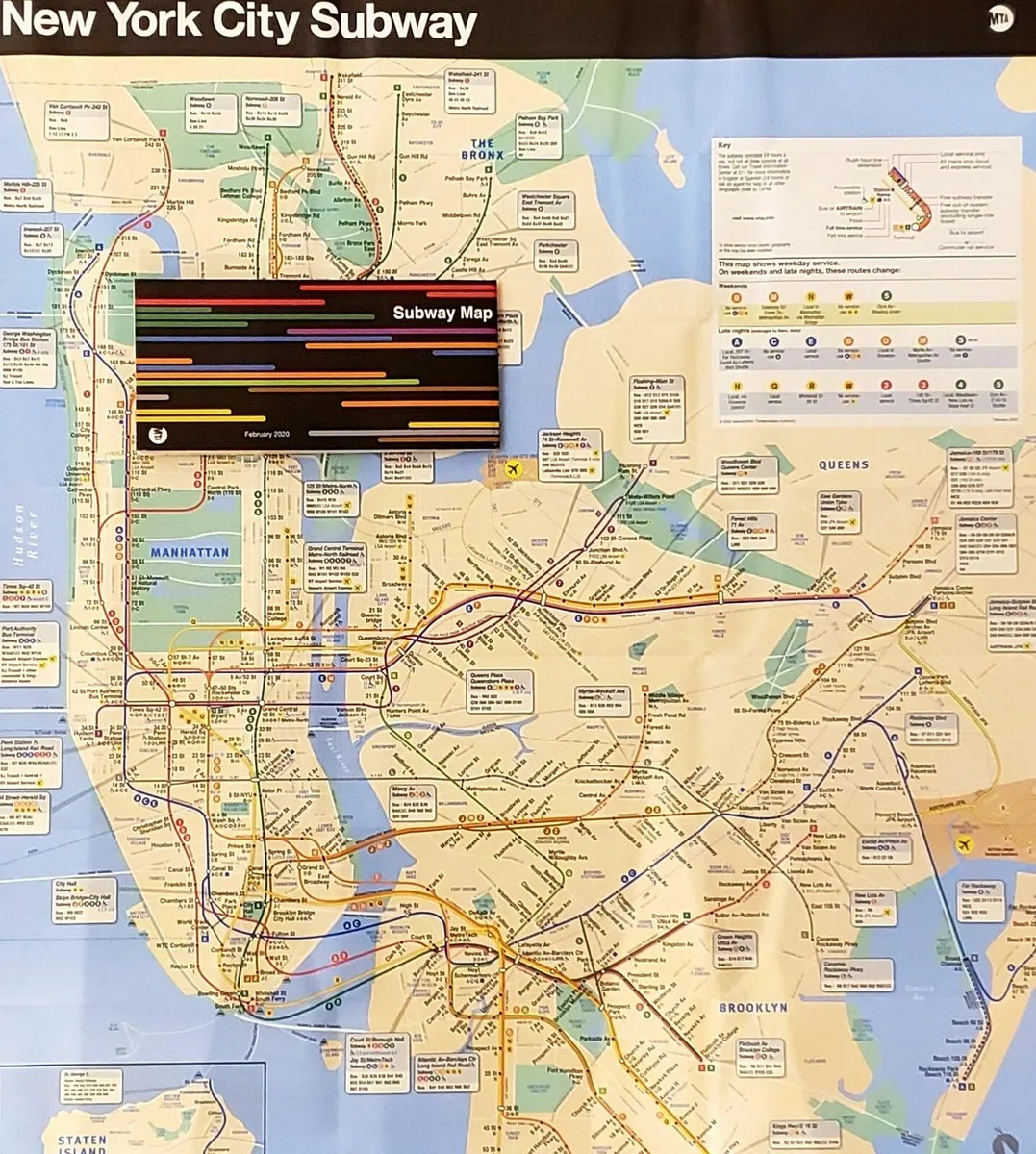 Photo: New York, via i.ebayimg.com
It was like Uber for flowers, but with telegrams instead of apps.
Marketing Romance, One Bloom at a Time
But here's where things get really interesting. FTD didn't just create a delivery network — they created an entire emotional script for when and why Americans should buy flowers.
They launched massive advertising campaigns linking specific flowers to specific emotions and occasions. Red roses meant passionate love. Yellow roses meant friendship. White lilies meant sympathy. Pink carnations meant gratitude. They essentially wrote the emotional handbook that Americans still follow today.
The marketing was brilliant and relentless. Magazine ads showed heartbroken women receiving surprise bouquets from distant lovers. Newspaper features explained the "language of flowers" as if it were ancient wisdom instead of modern marketing. Radio commercials reminded men that forgetting to send flowers was basically admitting you didn't care.
Creating Flower Holidays
FTD and their partner florists didn't stop at existing holidays. They actively promoted new occasions that required flowers:
Mother's Day: While the holiday existed, FTD marketing made flowers the default gift, creating the expectation that every good child sends Mom flowers in May.
Secretary's Day: This was literally invented by florists and greeting card companies in 1952 as "National Secretaries Week" to boost sales during a traditionally slow period.
Valentine's Day: Though the holiday was old, the specific tradition of red roses was heavily promoted by FTD marketing throughout the 1920s and 1930s.
 Photo: Valentine's Day, via images.herzindagi.info
They created artificial scarcity and urgency around flower-giving, training Americans to panic if they forgot to send the "appropriate" arrangement for any given occasion.
The Psychology of Perishable Gifts
The genius of the flower industry's marketing was recognizing something profound about human psychology: perishable gifts feel more valuable than permanent ones.
A bouquet of roses dies in a week, but that temporary beauty feels more precious than a piece of jewelry that lasts forever. The fact that flowers are expensive and short-lived actually makes them better symbols of love and affection. You're literally spending money on something that will disappear — the ultimate gesture of caring more about the moment than the money.
FTD's marketing played up this psychology, positioning flowers as the perfect way to show that someone was worth the expense of something beautiful but temporary.
Building the Emotional Infrastructure
By the 1930s, FTD had created something unprecedented: a national infrastructure for expressing emotions through commerce. They had:
- Standardized flower meanings across the country
- Created reliable delivery networks for perishable goods
- Established cultural expectations around flower-giving
- Built seasonal sales cycles around manufactured occasions
- Trained multiple generations of Americans in their emotional flower code
They essentially built the blueprint that every modern gift industry follows. Create emotional associations, establish cultural expectations, build reliable delivery systems, and market the idea that love requires regular proof through purchases.
The Legacy: Every Occasion Needs Flowers
Today, Americans spend over $5 billion annually on cut flowers, most of them purchased for occasions that FTD and their competitors promoted as "requiring" flowers. We've internalized their marketing so completely that sending flowers feels like natural human behavior instead of learned consumer behavior.
The next time you panic about forgetting to send flowers for an anniversary, or feel guilty about showing up empty-handed to a dinner party, remember that those feelings aren't instinctive — they're the result of over a century of carefully crafted marketing by telegraph companies and florists who needed to move perishable inventory across long distances.
They didn't just sell flowers. They sold the idea that emotions require expensive, temporary proof. And we're still buying it, one bouquet at a time.