How a Ruined Shipment at a St. Louis Heat Wave Gave America Its Official Summer Drink
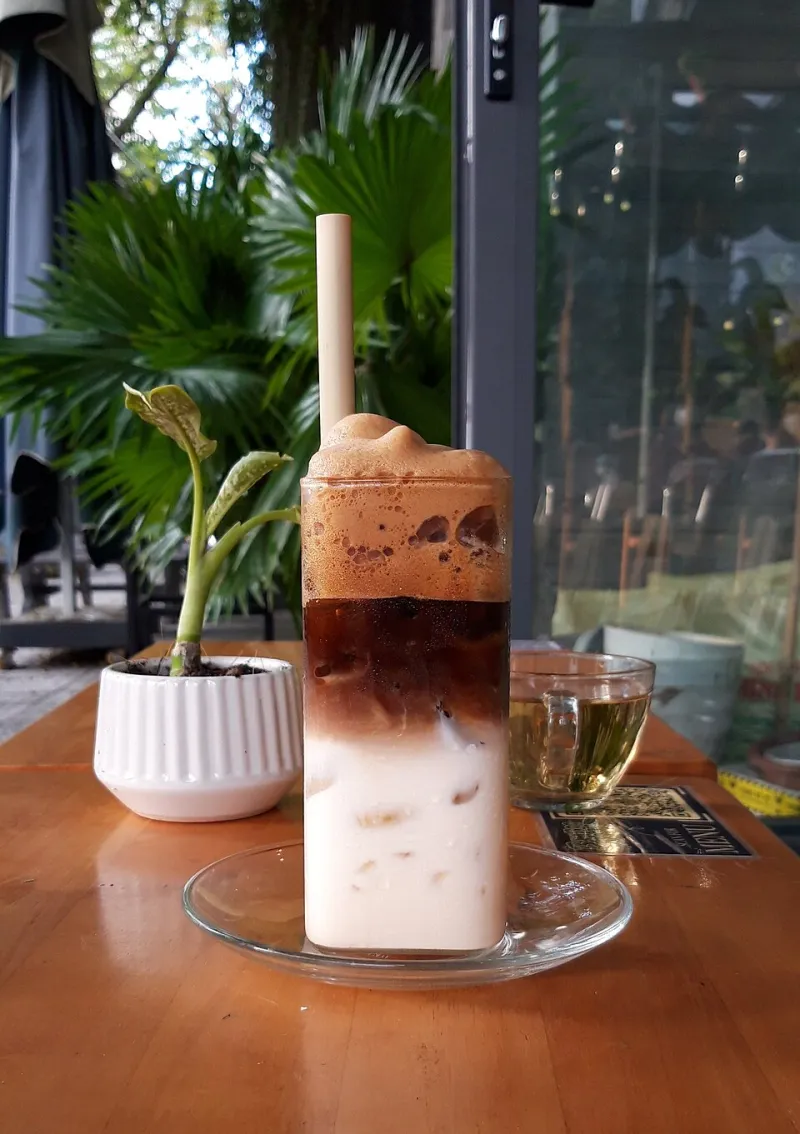
Photo: Klientos, CC BY-SA 4.0, via Wikimedia Commons
Order an unsweetened iced tea in most parts of the country and you'll get what you asked for without a second glance. Order one in the South and you might get a look that suggests you've said something mildly offensive. Iced tea — sweet, cold, poured over a tall glass of ice — is so deeply embedded in American culture that it carries genuine regional identity. In some corners of Georgia and Mississippi, it's practically a love language.
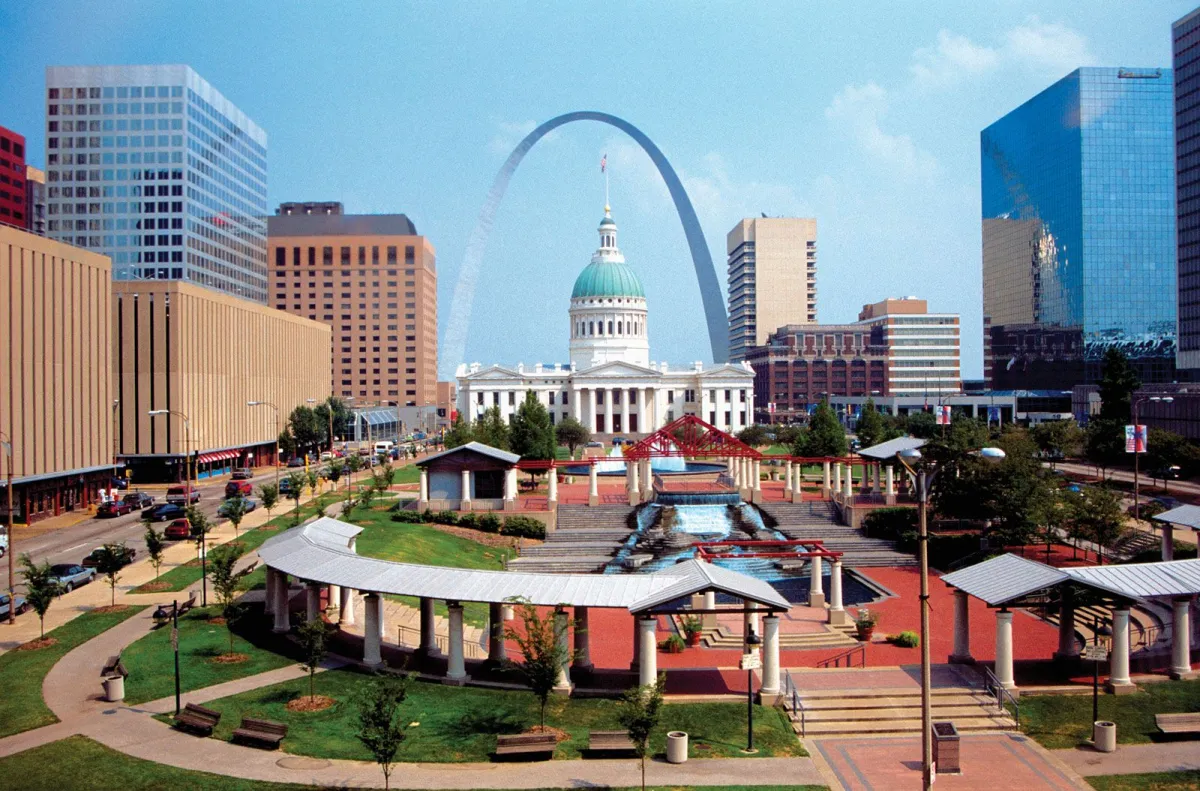 Photo: St. Louis, via cdn.britannica.com
Which makes it all the more surprising that the drink barely existed in the United States before the summer of 1904.
Tea Was Hot. Literally.
For most of American history, tea was something you drank hot, in the British tradition, if you drank it at all. After the Boston Tea Party made the beverage politically complicated, coffee had largely taken over as the country's daily caffeine habit. Tea was still around — it showed up at formal occasions and in upper-class households — but it wasn't a cultural fixture the way it was across the Atlantic.
The idea of pouring tea over ice wasn't completely unheard of before 1904. A handful of punch recipes from the 1800s included cold sweetened tea as an ingredient, and a few Southern hostesses had served chilled tea at summer gatherings. But it was a curiosity, not a habit. There was no industry behind it, no cultural moment that had locked it into the American routine.
That was about to change, thanks to a heat wave, a spoiled shipment, and a vendor who needed to move product.
The Fair That Changed Everything
The 1904 Louisiana Purchase Exposition — better known as the St. Louis World's Fair — was one of the largest events in American history at that point. It drew nearly twenty million visitors over seven months, celebrated the centennial of the Louisiana Purchase, and introduced Americans to everything from the ice cream cone to the hot dog bun. It was, in other words, exactly the kind of place where a new food habit could go from zero to mainstream in a single summer.
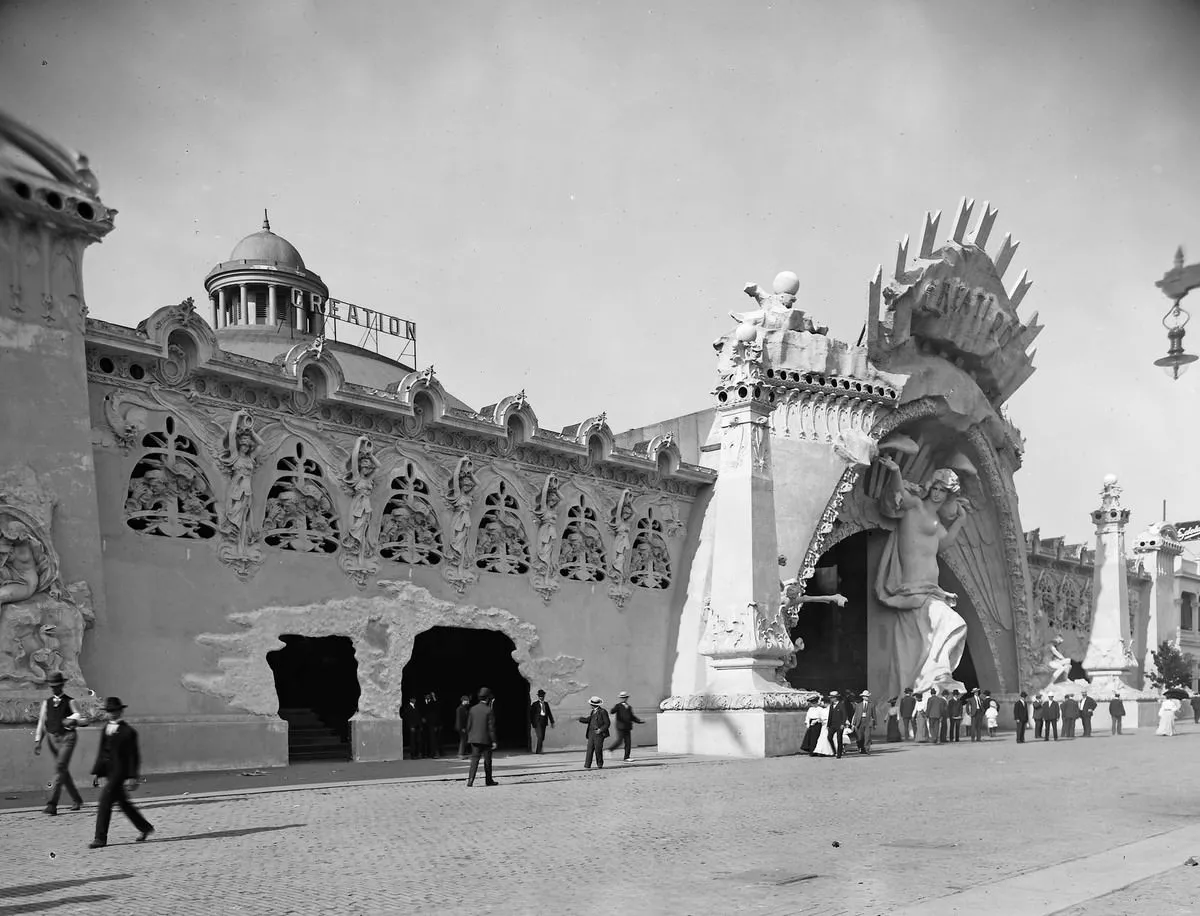 Photo: St. Louis World's Fair, via www.bygonely.com
Richard Blechynden arrived at the fair as a representative of the Indian Tea Association, with a simple mission: get Americans interested in hot tea. He had a booth, he had a promotional budget, and he had a supply of quality tea ready to brew and serve to curious fairgoers.
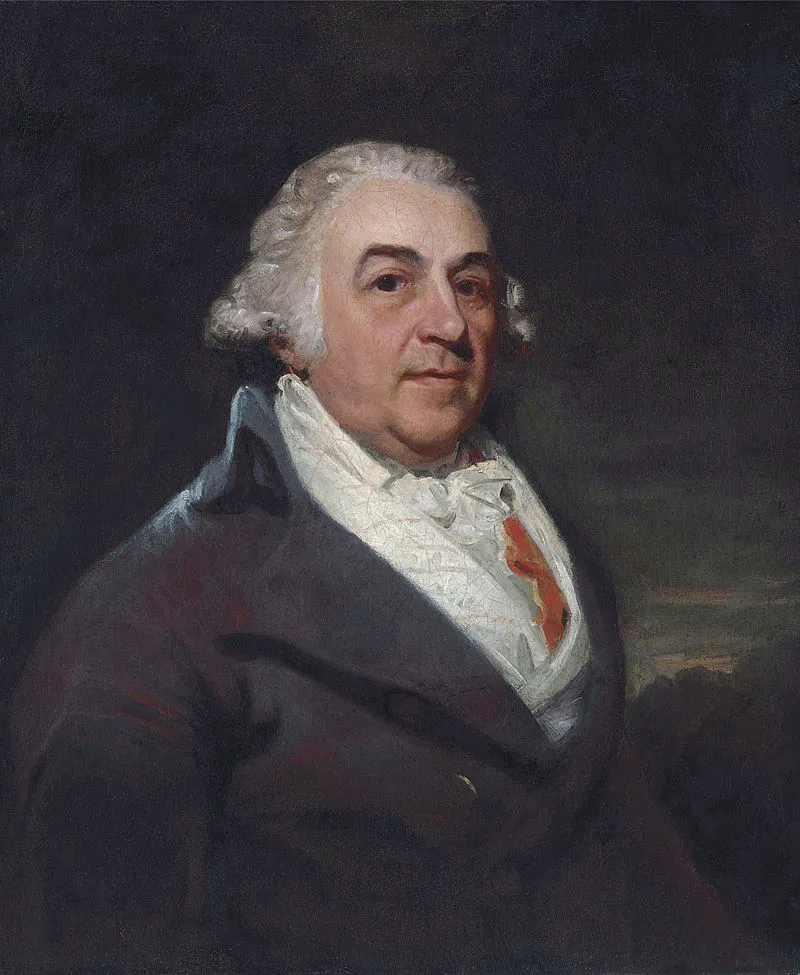 Photo: Richard Blechynden, via northandsouthroots.com
What he didn't have was weather that cooperated.
St. Louis in the summer of 1904 was brutal. Temperatures climbed well into the nineties. The fairgrounds were packed with sweating visitors who were interested in cold lemonade, cold beer, cold anything — but not, under any circumstances, a steaming cup of hot tea.
Blechynden's booth was getting almost no traffic. His promotional push was flopping in real time.
The Improvisation That Stuck
According to the most widely cited version of the story, Blechynden had been watching neighboring vendors sell cold drinks by the bucketful while his hot tea sat ignored. Faced with a dwindling window of opportunity, he made a fast decision: he poured his brewed tea over ice and started handing out cold samples to fairgoers walking past.
The response was immediate. In ninety-degree heat, a cold, slightly sweet, refreshing tea was exactly what people wanted. His booth went from empty to crowded. He sold out. Word spread across the fairgrounds.
The story is almost certainly a little cleaner in the retelling than it was in the moment — there were likely other vendors experimenting with cold tea that summer, and Blechynden himself had reportedly been thinking about the idea before the fair. But what isn't disputed is the scale of the exposure. Twenty million visitors over a single summer is a remarkable distribution channel for any new product, and iced tea rode that wave hard.
From St. Louis to Sweet Tea
After the fair, iced tea spread quickly through American cookbooks, restaurant menus, and domestic life. The timing helped: the early twentieth century saw a massive expansion of home ice delivery, which made keeping a cold pitcher of tea in the icebox genuinely practical for the first time. By the 1920s, recipes for iced tea appeared in mainstream publications as if the drink had always existed.
The South, with its long, punishing summers and deep tradition of hospitality, adopted the drink with particular enthusiasm. And somewhere along the way, Southern iced tea acquired its signature characteristic: enough sugar to make a dentist nervous. Sweet tea became not just a beverage but a cultural marker, a shorthand for a certain kind of Southern identity that persists to this day.
Restaurants in the region began offering it as the default — not a specialty item, not a seasonal menu addition, just the thing that showed up automatically when you sat down. In many parts of the South, asking for "tea" without specifying hot tea will get you a glass of sweet iced tea every single time.
Accident as Origin Story
What's striking about the iced tea story is how thin the thread of causation actually is. If St. Louis had experienced a cooler summer in 1904, Blechynden might have had a perfectly successful hot tea promotion and gone home without incident. If the fair had been held in October, the whole encounter might have played out differently. If his original merchandise hadn't been essentially unsellable in the heat, he might never have improvised at all.
Instead, a combination of bad weather, commercial desperation, and twenty million thirsty fairgoers created a cultural institution that Americans now take entirely for granted. The South built a regional identity around it. Restaurants built menus around it. Entire product categories — bottled iced tea, powdered mixes, ready-to-drink cans — grew into billion-dollar industries from that one sweaty afternoon.
Not bad for a workaround.