How Grieving Families in Rural Pennsylvania Accidentally Invented Buy Now, Pay Later
Photo: , No restrictions, via Wikimedia Commons
Scroll to the checkout page of almost any major American e-commerce site today and you'll see it: a small, cheerful button offering to split your purchase into four easy payments. Affirm. Klarna. Afterpay. Buy now, pay later has become one of the fastest-growing corners of consumer finance, used by more than 100 million Americans and generating billions in annual revenue.
Hardly anyone asking where this idea came from would think to look inside a Victorian funeral parlor in rural Pennsylvania. But that's where the trail leads.
Death Came Before Credit
In the 1880s, the American economy was running on cash and credit in roughly equal measure — but the credit available to ordinary working families was informal, personal, and deeply unreliable. Banks served businesses and wealthy individuals. Everyone else relied on local merchants willing to extend a tab, with repayment expected when the harvest came in or the factory paid out.
Into this environment came a quiet transformation in how Americans handled death. The funeral industry was professionalizing rapidly in the post-Civil War decades. Embalming, which had been pioneered to preserve soldiers' bodies for transport home during the war, was becoming standard practice. Elaborate caskets, formal funeral processions, and rented parlor spaces were replacing the simple home burials that most rural families had managed for generations.
All of this cost money. And grief, by its nature, doesn't wait for payday.
Funeral directors across the rural Midwest and mid-Atlantic states faced a recurring problem: families who needed their services immediately but simply couldn't pay the full amount upfront. Turning away grieving customers wasn't just bad business — in tight-knit small towns, it was social suicide. Refusing to bury a neighbor's child because the family was short on cash was not the kind of story that traveled well.
The Parlor Agreement
The solution that emerged was informal, unregulated, and quietly revolutionary. Funeral directors began offering arrangements — sometimes written, often just verbal — allowing families to pay for burial services in small monthly installments over six months to a year. No interest, typically. No formal contract. Just a handshake agreement and a ledger entry.
This practice was almost certainly happening in scattered pockets before the 1880s, but it expanded significantly during the economic contractions of that decade, particularly after the financial panics of 1873 and 1884 squeezed rural household incomes hard. Funeral directors who offered payment flexibility kept their businesses alive. Those who demanded full payment upfront often watched families choose cheaper competitors — or simpler burials they could afford outright.
What made the funeral installment arrangement psychologically distinct from anything that had come before was the emotional context in which it operated. You weren't financing a luxury. You weren't buying something you could return. You were paying for dignity — for the last thing your family would ever do for someone you loved. The stakes couldn't have been higher, and the willingness to pay, even slowly, was essentially guaranteed.
Financiers studying consumer credit decades later would recognize this dynamic immediately. The most reliable debt is the debt attached to something that feels non-negotiable.
From the Parlor to the Showroom Floor
The installment idea didn't stay in funeral homes for long. By the 1890s, it had migrated into the sewing machine industry — Singer was one of the earliest large companies to formalize installment sales — and from there into pianos, encyclopedias, and eventually, automobiles.
General Motors Financial, founded in 1919, is often credited with popularizing auto financing in America, and that's fair. But GM's innovation wasn't the concept of paying over time — it was the scale and standardization of it. The psychological groundwork, the cultural acceptance that a major purchase could be split across months without shame, had been quietly laid in parlors and sitting rooms for decades before the first Model T rolled off a line.
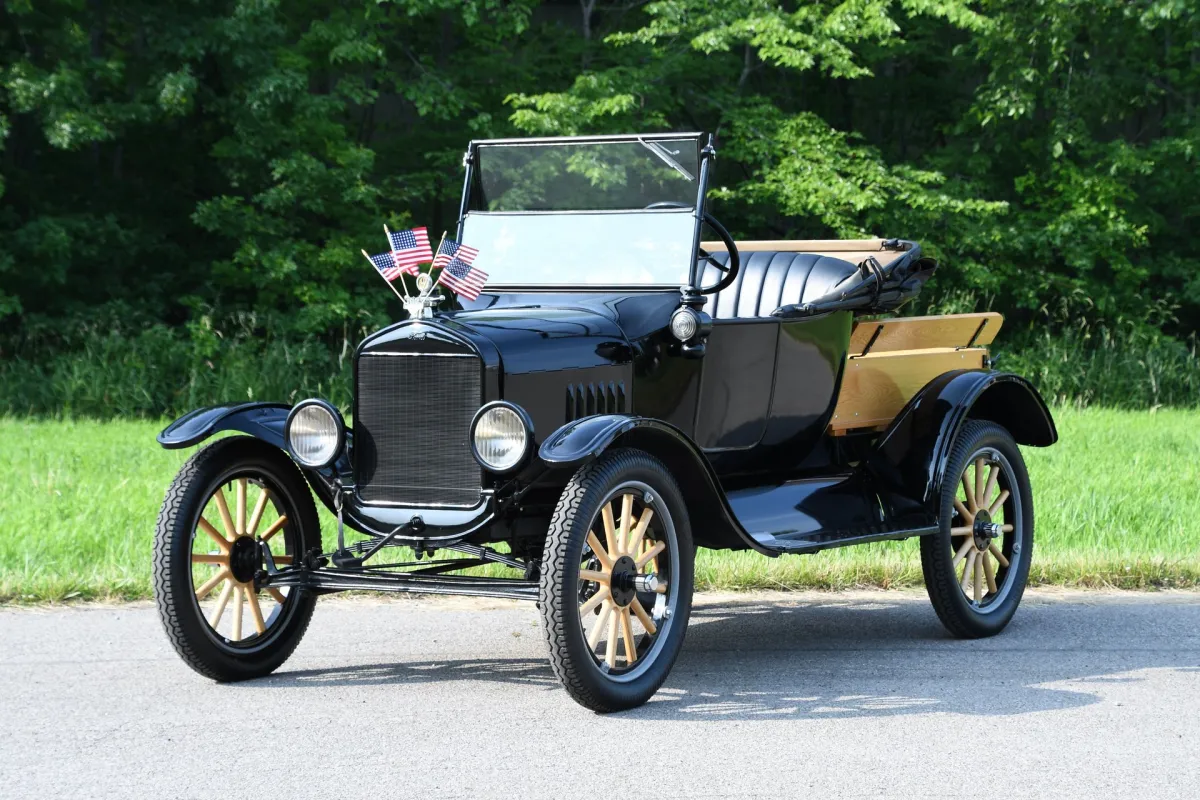 Photo: Model T, via cdn.dealeraccelerate.com
The department store layaway programs that flourished through the mid-twentieth century carried the same DNA. So did the revolving credit accounts that Sears and Montgomery Ward offered to rural customers who couldn't make it to a store in person. The specific mechanics changed with each generation, but the core idea — receive the thing now, pay for it gradually — traced a direct line back to those handshake agreements over open caskets.
The Emotional Architecture of Debt
What the Victorian funeral directors understood intuitively, and what modern buy-now-pay-later companies have spent millions in behavioral research to confirm, is that the moment of emotional peak is the worst possible time to introduce a financial obstacle.
Grief, excitement, desire, urgency — all of these states make people more willing to commit to future payments they might otherwise resist. The funeral parlor operated at the most extreme version of this dynamic. Contemporary BNPL platforms operate at a milder but structurally similar one: catch the customer at the moment they most want the thing, remove the friction of the full price, and let the payments fade into the background of monthly life.
Affirm's founder has spoken publicly about wanting to make credit feel more transparent and honest than traditional credit cards. Klarna markets itself as a smarter, friendlier way to shop. The language is modern and the technology is sophisticated. But the emotional logic — you need this now, we'll work out the money later — is the same logic a funeral director in Allegheny County was applying to grieving families in 1884.
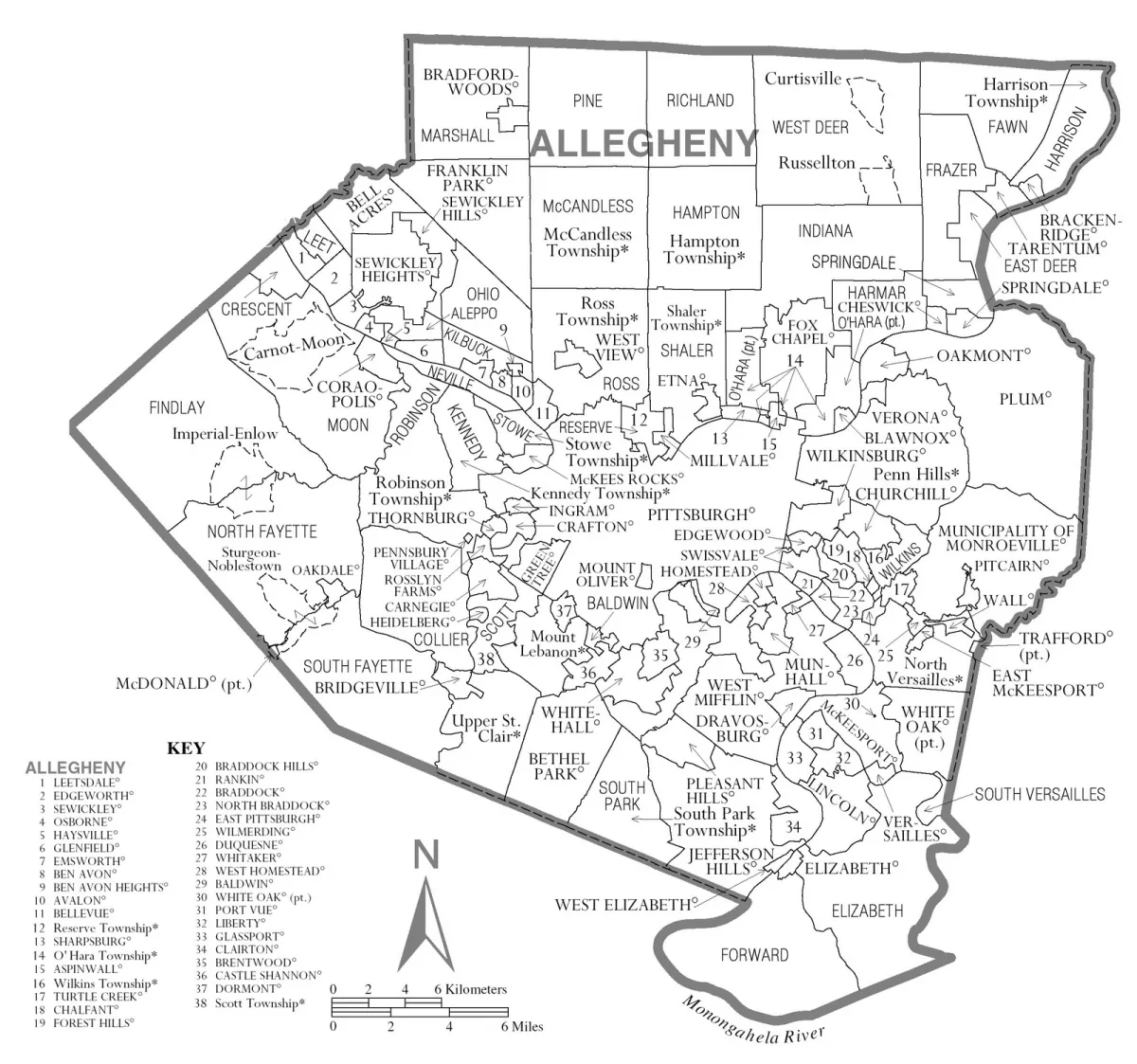 Photo: Allegheny County, via 3.bp.blogspot.com
The Debt That Felt Necessary
There's something worth sitting with in all of this. The installment plan didn't begin as a predatory tool. It began as an act of community accommodation — a way for small businesses to serve neighbors who were suffering and couldn't pay all at once. The funeral directors who invented it weren't trying to build a consumer finance empire. They were trying to bury people with dignity and keep their own doors open.
The system that grew from that humble beginning is considerably more complicated. But the next time you tap that cheerful little button at checkout, it's worth remembering: the idea that you could have something now and pay for it later was first extended to Americans who had just lost someone they loved. It started, as so many powerful ideas do, with a human problem that needed solving right now.