Nobody Wanted It — Except the People It Was Built to Save
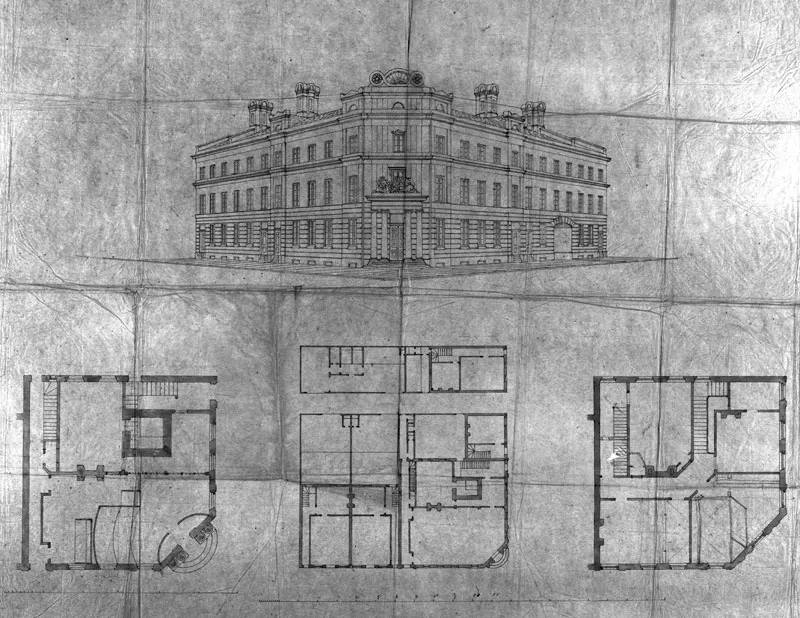
Photo: John Howard, Public domain, via Wikimedia Commons
In the spring of 1933, America's banking system was in freefall. Thousands of banks had already collapsed. Ordinary families had watched their life savings evaporate overnight — not because they'd made bad investments, but simply because they'd trusted the wrong institution. There was no safety net. There was no guarantee. There was just a locked door and an empty account.
The solution that eventually fixed this wasn't born from careful policy planning or a presidential mandate. It was slipped into legislation by a group of stubborn congressmen, opposed by the most powerful people in the country — including the president himself — and almost didn't survive the week.
The Bank Runs Nobody Could Stop
To understand why the FDIC mattered so much, you have to understand just how catastrophic the years leading up to it were. Between 1930 and 1933, more than 9,000 American banks failed. That's not a rounding error — that's roughly 40 percent of the entire banking system gone. When a bank failed, depositors lost everything. There were no appeals, no compensation, no government backstop. You put your money in, and when the bank went under, your money went with it.
The cruel irony was that bank runs were self-fulfilling. The moment word got out that a bank might be struggling, depositors would race to withdraw their funds — which would then cause the very collapse they were trying to escape. Fear was the accelerant. Confidence was the only cure.
Franklin Roosevelt understood this when he took office in March 1933. His first act was to declare a national bank holiday — a temporary closure of every bank in the country — to stop the bleeding. But closing banks wasn't a solution. It was a pause. Something more structural had to change.
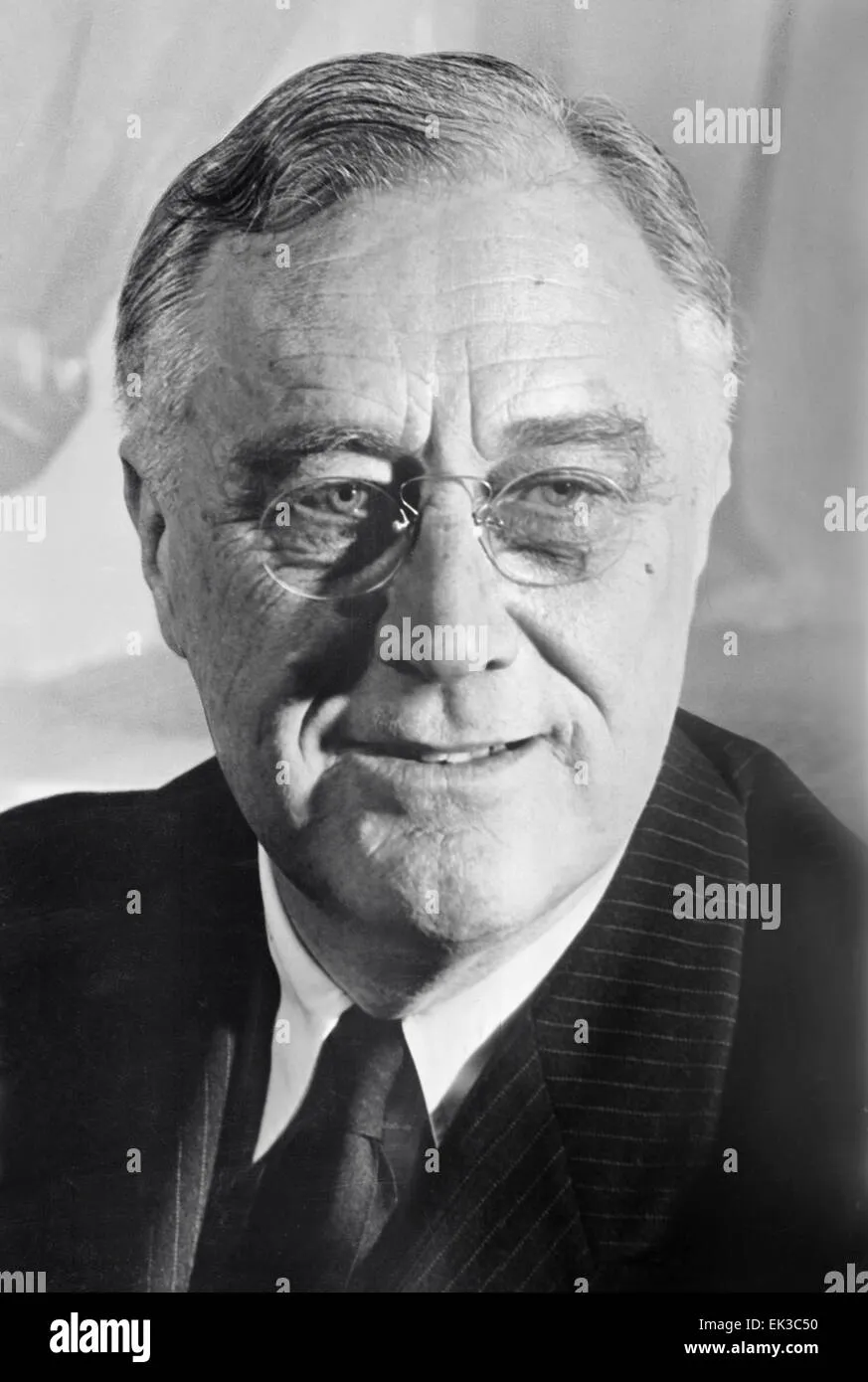 Photo: Franklin Roosevelt, via c8.alamy.com
The Clause Nobody Asked For
The Banking Act of 1933 — also known as the Glass-Steagall Act — was primarily designed to separate commercial banking from investment banking. That was the headline. But buried inside the legislation was something else entirely: a provision to create a federal agency that would insure individual bank deposits up to $2,500.
This clause didn't come from the White House. It was championed by Senator Arthur Vandenberg of Michigan and Representative Henry Steagall of Alabama, two legislators who had watched their home-state banks collapse and their constituents lose everything. They'd been pushing versions of deposit insurance for years. Congress had actually passed a deposit insurance bill as far back as 1932 — and Herbert Hoover had vetoed it.
 Photo: Representative Henry Steagall, via c8.alamy.com
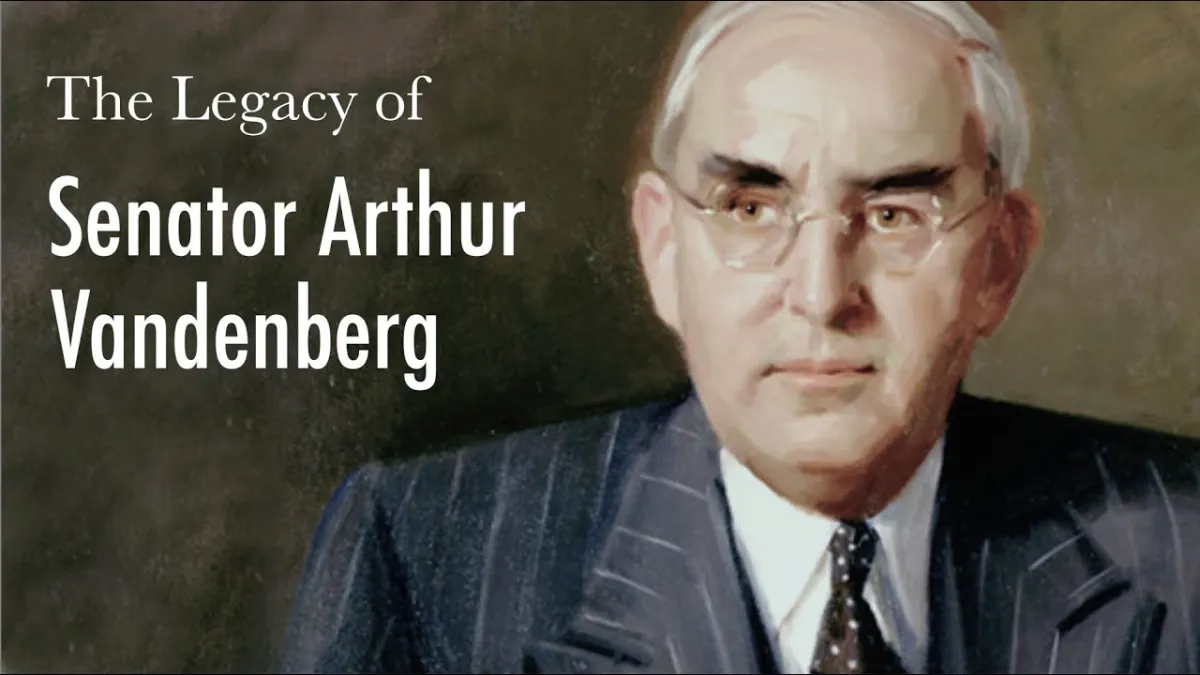 Photo: Senator Arthur Vandenberg, via i.ytimg.com
Roosevelt wasn't much more enthusiastic. He worried that insuring deposits would reward reckless banks and create what economists now call moral hazard — the idea that if banks knew their depositors were protected, they'd take wilder risks. Treasury Secretary William Woodin agreed. So did the big New York banks, who argued that they'd essentially be subsidizing smaller, sloppier institutions across the country.
But Steagall held firm. He refused to let the broader banking bill move forward without the deposit insurance provision attached. It was a congressional ultimatum, and it worked.
The Radical Idea That Became Common Sense
The FDIC officially opened for business on January 1, 1934. The initial coverage limit was $2,500 per depositor — modest by any standard, but meaningful enough that ordinary Americans felt protected for the first time. The effect was almost immediate.
Bank runs, which had been a recurring feature of American financial life for over a century, essentially stopped. Not because banks suddenly became more trustworthy, but because depositors no longer had a reason to panic. If your bank failed, you'd get your money back. The incentive to run disappeared.
In its first year, only nine insured banks failed — and depositors in all nine recovered their funds in full. Word spread fast. The program that Wall Street had called reckless was quietly proving itself to be the most stabilizing force in American finance.
Roosevelt, to his credit, came around. By the mid-1930s he was publicly praising the FDIC as one of the most important achievements of the New Deal era — a remarkable reversal from the man who had privately tried to kill it just months before.
How the Coverage Grew With the Country
The $2,500 limit didn't stay fixed for long. As the economy grew and inflation eroded the real value of coverage, Congress periodically raised the ceiling. By 1980, it had reached $100,000. After the 2008 financial crisis — another moment when American banks teetered on the edge — the limit jumped to $250,000, where it remains today.
The underlying logic, though, has never changed. The FDIC works because it converts a collective panic problem into an individual non-problem. When you know your deposits are insured, you don't need to be the first one to the teller window. And when nobody rushes to the teller window, the bank stays solvent. It's a confidence trick in the most literal and useful sense of the phrase.
The Safety Net That Changed Everything
What makes the FDIC's origin story so striking is how close it came to never existing. A president opposed it. The banking establishment opposed it. The Treasury opposed it. It survived because a handful of legislators from states that had already been devastated by bank failures refused to accept the status quo.
Today, the FDIC insures deposits at more than 4,500 American banks and savings institutions. It has handled over 500 bank failures since 2008 alone — and in virtually every case, insured depositors have lost nothing. The agency operates so quietly and effectively that most Americans never think about it. Which is, arguably, the whole point.
The next time you check your bank balance without a trace of anxiety, you're experiencing the downstream effect of a last-minute political compromise that almost didn't make it out of a Senate committee in 1933. The most trusted safety net in American financial life was almost killed before it was born.