The Bitter Medicine That Accidentally Became America's Sweetest Obsession
The Bitter Medicine That Accidentally Became America's Sweetest Obsession
Walk into any American convenience store today and you'll face an entire wall of carbonated beverages. Coke, Pepsi, Sprite, Mountain Dew—the fizzy rainbow of modern America. But this billion-dollar industry started with a fundamental misunderstanding about bubbles, a lot of disappointed patients, and pharmacists who got tired of hearing complaints about terrible-tasting medicine.
The Bubble Doctors
In the 1760s, European scientists were convinced they'd discovered liquid gold. Not the precious metal kind, but something potentially more valuable: carbonated water that could cure virtually any ailment plaguing humanity. The logic seemed airtight—natural mineral springs with bubbling water had been used for healing since ancient times, so artificially creating that same fizzy effect should work just as well.
Dr. Joseph Priestley, the English chemist who first figured out how to infuse water with carbon dioxide, wasn't trying to create a beverage empire. He was attempting to prevent scurvy on long sea voyages by replicating the supposed healing properties of natural spring water. His artificial "soda water" tasted absolutely terrible—bitter, metallic, and harsh enough to make grown sailors wince.
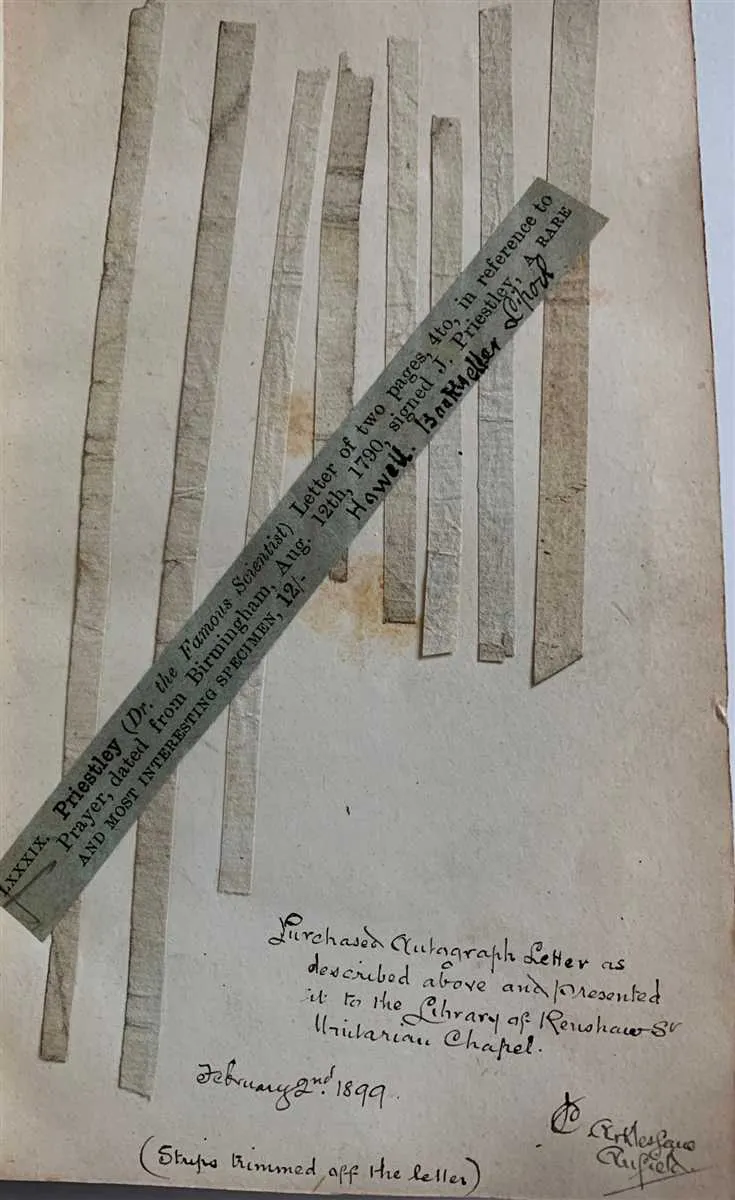 Photo: Dr. Joseph Priestley, via pictures.abebooks.com
But terrible taste didn't deter the medical community. If anything, it reinforced their belief that the stuff must be powerful medicine. After all, if it tasted that bad, it had to be doing something important inside your body.
Crossing the Atlantic with High Hopes
When carbonated water arrived in America in the early 1800s, it came with impressive European credentials and even more impressive medical claims. Doctors prescribed it for everything from digestive problems to depression, kidney stones to consumption. American entrepreneurs quickly recognized opportunity and started installing carbonation equipment in pharmacies across the country.
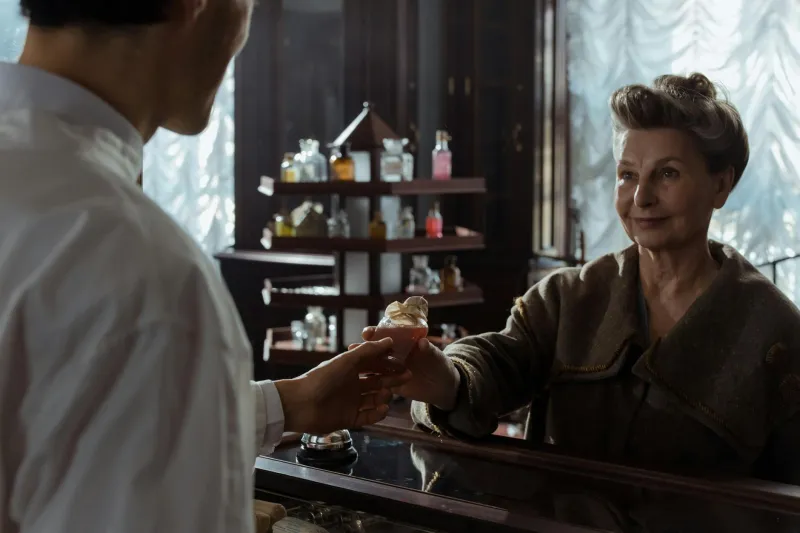
The business model seemed foolproof: charge people for medicine they could drink right there in the store, eliminating the need for complex dosing instructions or follow-up visits. Pharmacists could serve customers directly from ornate fountains that made the whole experience feel special and scientific simultaneously.
There was just one problem: the medicine tasted like liquid punishment.
The Flavor Rebellion
By the 1830s, American pharmacists were facing a customer service crisis. People would come in seeking relief for their various ailments, take one sip of the prescribed carbonated water, and immediately question whether the cure might be worse than the disease. Complaints poured in daily. Customers demanded refunds. Some pharmacists started losing regular business because word spread about the awful-tasting "medicine" they served.
Desperate to keep customers happy (and keep them coming back), pharmacists began experimenting with flavor additives. A little fruit syrup here, some vanilla extract there—anything to mask the harsh metallic bite that made people's faces contort in disgust. These weren't attempts to create new products; they were damage control measures designed to make existing medicine palatable.
The flavoring strategy worked better than anyone anticipated. Customers stopped complaining about the taste and started asking for specific flavors. Some even began visiting the pharmacy when they weren't sick, just to enjoy the pleasant-tasting carbonated drinks.
The Accidental Social Revolution
What happened next caught everyone off guard. The soda fountain became a destination rather than just a medical necessity. People started meeting friends at the pharmacy for flavored carbonated water. Teenagers gathered after school to share fizzy drinks and gossip. Adults conducted business meetings over cherry-flavored "medicine."
Pharmacists quickly realized they'd stumbled onto something bigger than healthcare. The ornate soda fountains became elaborate social hubs, complete with marble countertops, decorative mirrors, and uniformed "soda jerks" who elevated drink preparation into performance art. What started as a desperate attempt to mask bad-tasting medicine had evolved into America's first casual dining experience.
By the 1850s, the medical pretense was becoming harder to maintain. Customers clearly weren't visiting soda fountains for their health—they were coming for the taste, the social atmosphere, and the refreshing experience. Smart pharmacists leaned into this reality, expanding their flavor offerings and creating increasingly elaborate fountain displays.
From Medicine to Main Street
The transformation accelerated during the Civil War, when sugar became scarce and pharmacists had to get creative with sweetening agents. This led to new flavor combinations and brewing techniques that pushed carbonated beverages even further from their medicinal origins. By the 1870s, most soda fountain customers had completely forgotten that their favorite drinks had started as failed medical treatments.
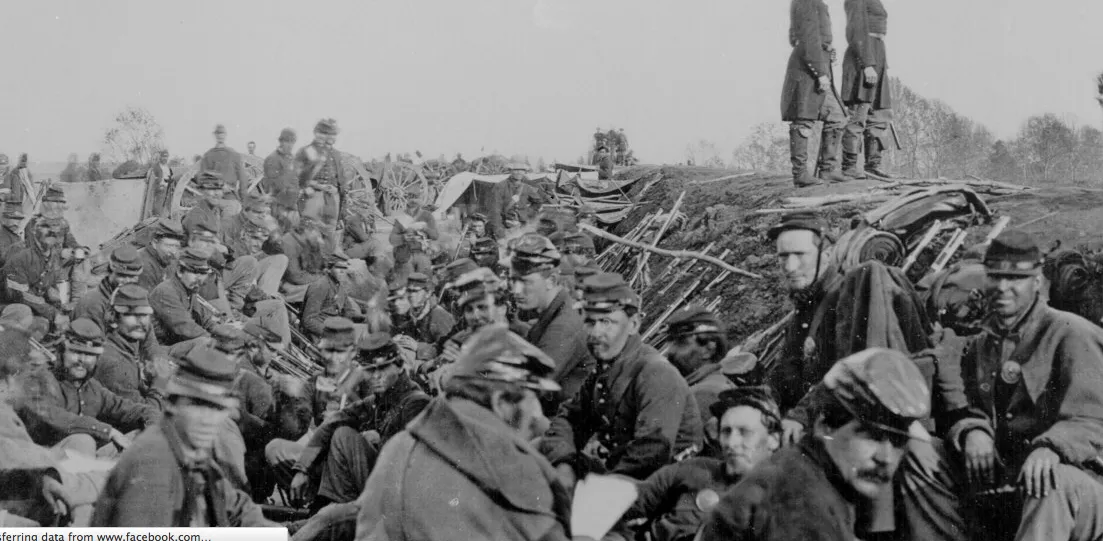 Photo: Civil War, via www.sott.net
The cultural shift was remarkable. America had accidentally created a new social institution based on a medical misunderstanding. The soda fountain became as central to community life as the church or town square, providing a neutral space where people from different backgrounds could gather, socialize, and share experiences.
The Sweet Legacy of Sour Medicine
Today's $250 billion soft drink industry traces directly back to those frustrated 19th-century pharmacists who just wanted their customers to stop complaining about bitter medicine. Every time you crack open a Coke or order a Sprite, you're participating in a tradition that began with European doctors who thought bubbles could cure scurvy and American pharmacists who discovered that a little sugar could transform liquid punishment into liquid pleasure.
The real genius wasn't in the original medical theory—that was completely wrong. The breakthrough came from admitting that the medicine tasted terrible and doing something about it. Sometimes the most successful innovations emerge not from brilliant planning, but from the simple human desire to make bad experiences more bearable.