The Navy's Throwaway Undershirt That Became the Most American Piece of Clothing Ever Made
The Navy's Throwaway Undershirt That Became the Most American Piece of Clothing Ever Made
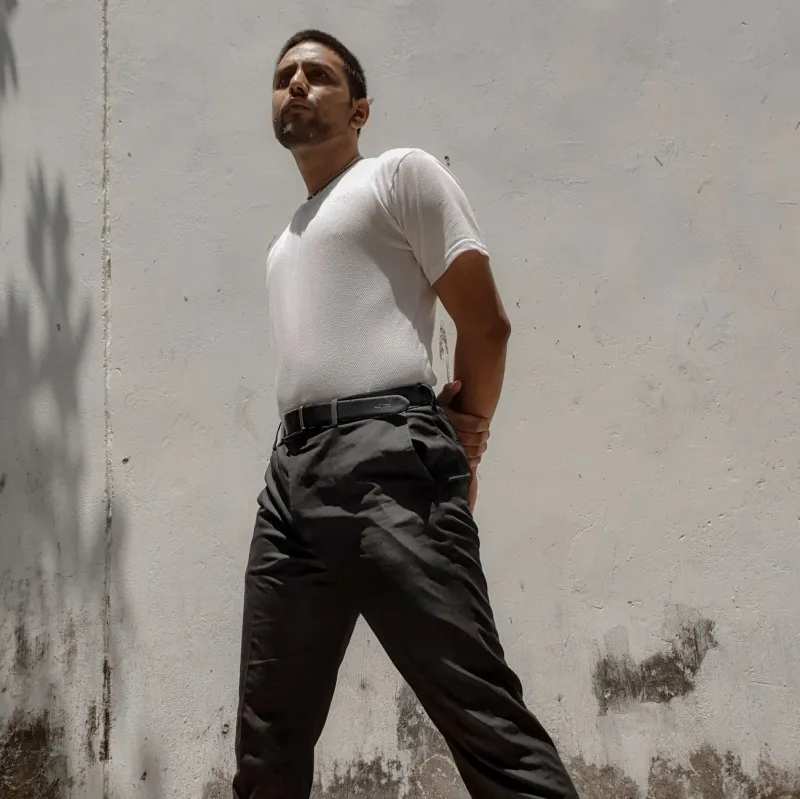
There are a handful of things so deeply woven into American life that imagining a world without them feels almost impossible. Blue jeans. Baseball caps. And the plain white T-shirt — the garment that sits at the intersection of every age group, income bracket, and cultural identity this country has ever produced.
But here's the thing almost nobody knows: the T-shirt wasn't designed to be worn. Not really. It was designed to be hidden.
A Fabric Nobody Wanted
In the early twentieth century, American textile manufacturers were sitting on a problem. They had developed lightweight, knitted cotton fabric — the kind used in industrial undergarments and workwear — and they had more of it than they could move. Department stores weren't interested. Fashion houses certainly weren't. The material was cheap, thin, and had zero prestige. It was the kind of thing you put on under something else and hoped nobody ever saw.
The US military, however, had different priorities. By the time World War II ramped up, the Navy needed undergarments that were practical, easy to wash, quick to dry, and cheap to produce at scale. The knitted cotton undershirt checked every box. It wasn't glamorous, but it worked. The Navy began issuing them by the millions — a simple, crew-neck pull-over with short sleeves that sailors wore beneath their uniforms in the Pacific heat.
The Army followed. So did other branches. By the mid-1940s, tens of millions of American men were wearing the same basic garment every single day.
The Moment Everything Changed
Here's where the story takes its unexpected turn. When the war ended and soldiers came home, a lot of them kept wearing their issued undershirts — not under anything, just as a shirt. It was comfortable. It was familiar. And after years of military structure, there was something quietly rebellious about putting on the most basic piece of clothing you owned and calling it an outfit.
The cultural shift was gradual but unmistakable. By the late 1940s and into the 1950s, the T-shirt had started migrating from the laundry pile to the public square. Farm workers wore them in the fields. Factory workers wore them on the line. And then Hollywood got involved.
In 1951, Marlon Brando appeared in A Streetcar Named Desire wearing a plain white T-shirt — sweat-damp, tight-fitting, and absolutely electric on screen. Three years later, James Dean did the same in Rebel Without a Cause. Suddenly the garment that had been issued to sailors as a practical afterthought was carrying a very different kind of symbolic weight. It meant youth. It meant defiance. It meant you didn't care what anyone thought.
 Photo: James Dean, via blogger.googleusercontent.com
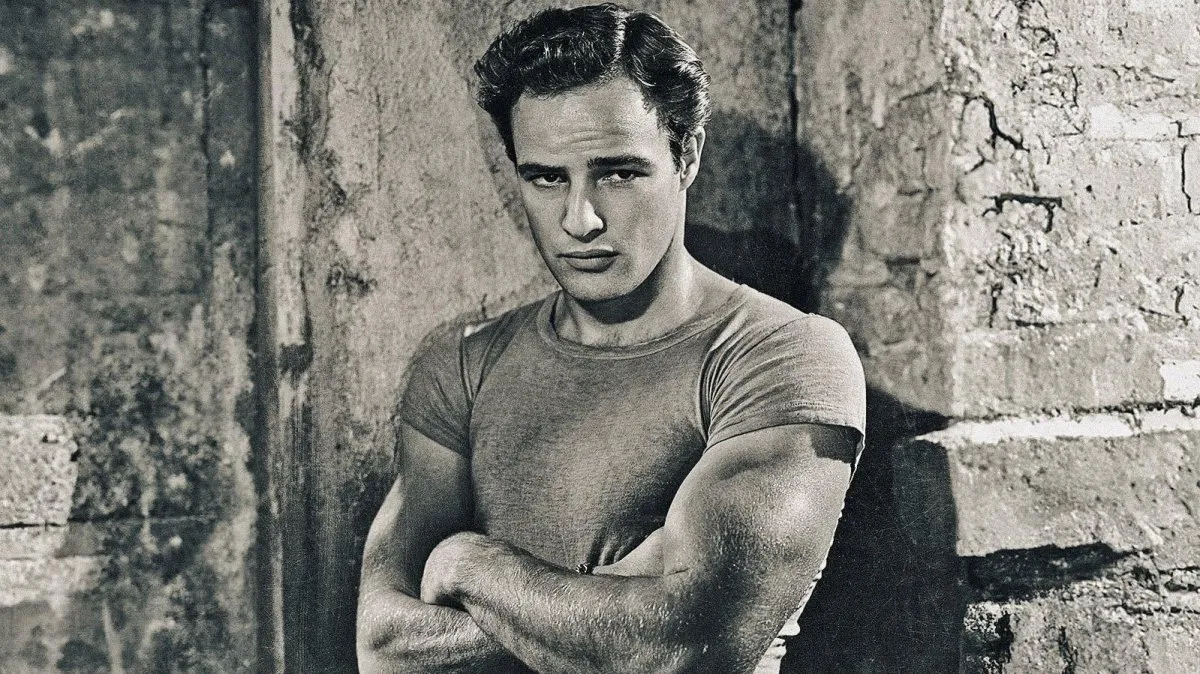 Photo: Marlon Brando, via movieplayer.net-cdn.it
Sales of T-shirts as standalone outerwear exploded.
From Surplus to Status
The apparel industry, to its credit, moved fast. By the late 1950s, manufacturers who had previously treated the T-shirt as a commodity were starting to see it as a canvas. Screen printing technology — which had existed for decades but was mostly used for signage and posters — got applied to the garment. Suddenly you could put a message on a T-shirt. A logo. A face. A slogan.
The 1960s and 70s turned the T-shirt into a billboard for everything: political movements, rock bands, vacation destinations, sports teams, and corporate brands. It was democratic in a way that few garments had ever been. A teenager in rural Ohio and a college student in Manhattan could both own a Rolling Stones T-shirt and feel like they were part of the same thing.
And the economics were extraordinary. The T-shirt was cheap to produce, cheap to customize, and carried almost no barrier to entry. Small businesses, artists, and activists could print fifty shirts in a garage and have a product. That accessibility transformed it from a piece of clothing into a medium.
The Numbers Behind the Fabric
Today, the global T-shirt market is worth well over $40 billion annually, with the United States representing one of the largest consumer markets. Americans buy an estimated two billion T-shirts per year — roughly six per person. It is, by any measure, the most purchased garment in the country.
Major brands have built entire identities around the T-shirt's simplicity. The premium basics market — companies charging $50, $80, even $150 for a plain white tee — is its own booming sub-industry, built entirely on the premise that the most ordinary garment imaginable can become a luxury object if the cut is right and the branding is smart enough.
None of that was in any military procurement report from 1943.
What the T-Shirt Actually Tells Us
The real story of the T-shirt isn't about fabric or fashion. It's about how objects absorb the culture around them and take on meanings their creators never intended.
The Navy bought those undershirts because they were practical and affordable. The soldiers who kept wearing them after the war weren't making a fashion statement — they were just comfortable. Brando and Dean weren't trying to launch a trend — they were playing characters. And the manufacturers who started printing logos on them weren't cultural theorists — they were chasing a market.
Every step was accidental. Every shift in meaning happened organically, driven by real people making small, unremarkable decisions that added up to something enormous.
That's usually how the most enduring things get made. Not with a plan, but with a pile of surplus fabric and a generation of young men who didn't feel like dressing up anymore.