The Coldest Winter in Banking History
The winter of 1928 hit Kansas City like a freight train, and the Exchange National Bank's heating system picked the worst possible time to give up entirely. For weeks, customers huddled in their cars rather than brave the frigid lobby to conduct business. Bank president J.W. Thomas watched his daily transactions plummet as people simply avoided coming inside.
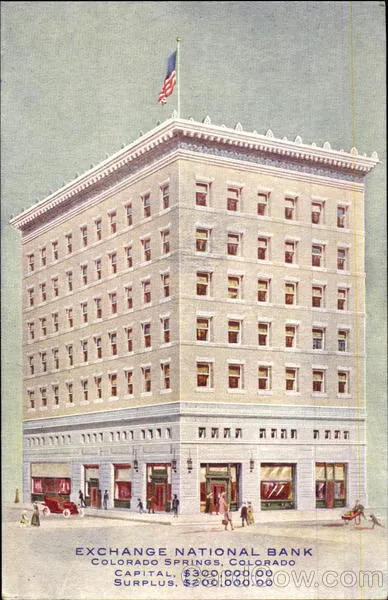 Photo: Exchange National Bank, via www.cardcow.com
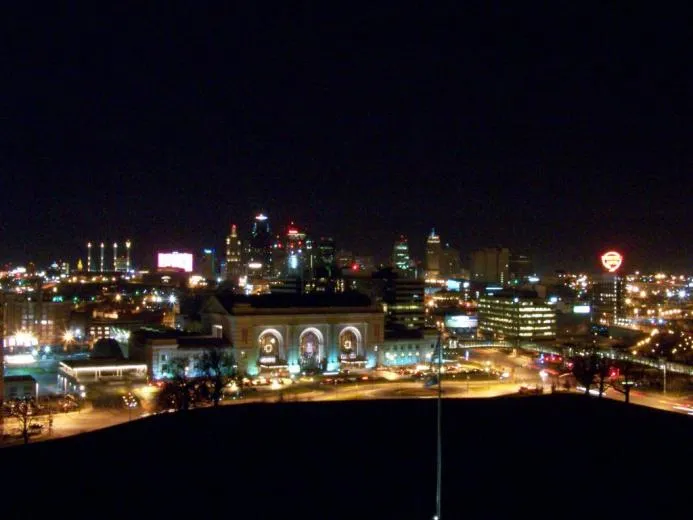 Photo: Kansas City, via mcdn.wallpapersafari.com
Thomas faced a choice: spend thousands on emergency heating repairs or find another way to serve customers. Being a practical Midwesterner, he chose the cheaper option. The bank installed a pneumatic tube system at a drive-up window, allowing customers to send deposits and withdrawal slips through a pressurized tube without leaving their heated cars.
It was supposed to be a temporary winter solution. Instead, it accidentally launched an entire economy.
The Unexpected Convenience Revolution
By spring, the bank's heating system was fixed, but customers kept using the drive-up window. They loved the convenience of banking without parking, walking, and waiting in line. Thomas realized he'd stumbled onto something bigger than a heating workaround.
Other Kansas City banks quickly copied the idea, and by 1930, drive-up banking had spread to dozens of cities across the Midwest. The concept was simple but revolutionary: bring the service to the customer instead of making the customer come to the service.
Pharmacies were the first to adapt the model. Sick customers appreciated picking up prescriptions without leaving their cars, especially during flu season. By the mid-1930s, drive-through pharmacies were common in cities where car ownership was high.
The Restaurant Industry Takes Notice
The real transformation came when restaurants discovered drive-through service. In 1931, Pig Stand in Texas became one of the first restaurants to serve food directly to cars. But it was still a novelty—most Americans weren't ready to eat meals in their vehicles.
That changed after World War II, when suburban growth and car culture exploded. Families were living farther from city centers, commuting longer distances, and spending more time in their cars. The drive-through evolved from a convenience to a necessity.
White Castle, Dairy Queen, and other early fast-food chains built their entire business models around speed and convenience. The drive-through window became the perfect symbol of post-war American life: fast, efficient, and designed around the automobile.
The McDonald's Revolution
Ray Kroc understood that the drive-through wasn't just about serving food—it was about serving a lifestyle. When McDonald's began expanding in the 1950s, Kroc insisted that drive-through service be standardized across all locations. Orders had to be taken quickly, prepared consistently, and delivered in under two minutes.
This created an entirely new category of food: items specifically designed to be eaten while driving. Burgers were wrapped to prevent spills. Drinks came with lids and straws. French fries were served in containers that fit in cup holders.
By the 1970s, drive-through sales accounted for more than half of fast-food revenue. The model had proven so successful that it spread beyond food entirely.
The Infrastructure of Modern Life
Today, you can drive through for almost anything: coffee, banking, pharmacy prescriptions, dry cleaning, liquor, and even wedding ceremonies in Las Vegas. The pneumatic tube system that solved a Kansas City bank's heating problem evolved into the backbone of American consumer culture.
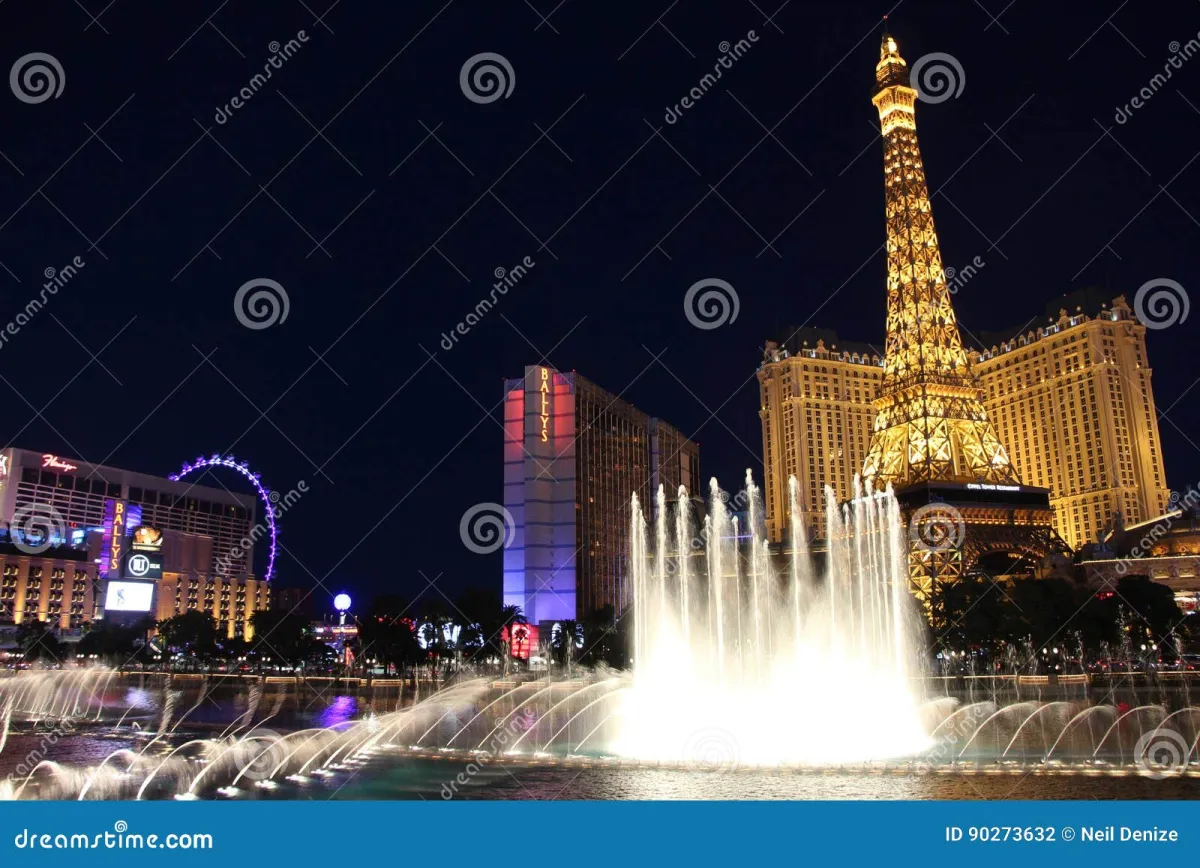 Photo: Las Vegas, via thumbs.dreamstime.com
Drive-through lanes now dictate urban planning decisions. Zoning laws specify minimum distances between drive-through windows and residential areas. Traffic engineers design intersection timing around drive-through peak hours. Real estate developers consider drive-through accessibility when planning shopping centers.
The environmental and social costs are enormous. Americans burn millions of gallons of gasoline annually while idling in drive-through lines. The infrastructure encourages car dependency and discourages walking or public transportation.
The Digital Drive-Through
The COVID-19 pandemic turbocharged drive-through innovation. Restaurants added mobile ordering, contactless payment, and AI-powered menu boards. Some locations eliminated indoor dining entirely, becoming drive-through-only operations.
But the basic concept remains unchanged from that 1928 Kansas City bank: bring the service to the customer, eliminate friction, and keep people in their cars. What started as a heating emergency became the template for American convenience culture.
The Unintended Consequences
J.W. Thomas never intended to reshape American society when he installed that pneumatic tube. He just wanted to keep his bank operating during a harsh winter. But his practical solution to a maintenance problem created an infrastructure that now processes billions of transactions annually.
The drive-through economy reflects both the best and worst of American innovation: ingenious problem-solving that prioritizes convenience while creating new problems around sustainability and community connection. A broken heater in Kansas City didn't just change how we bank—it changed how we live.