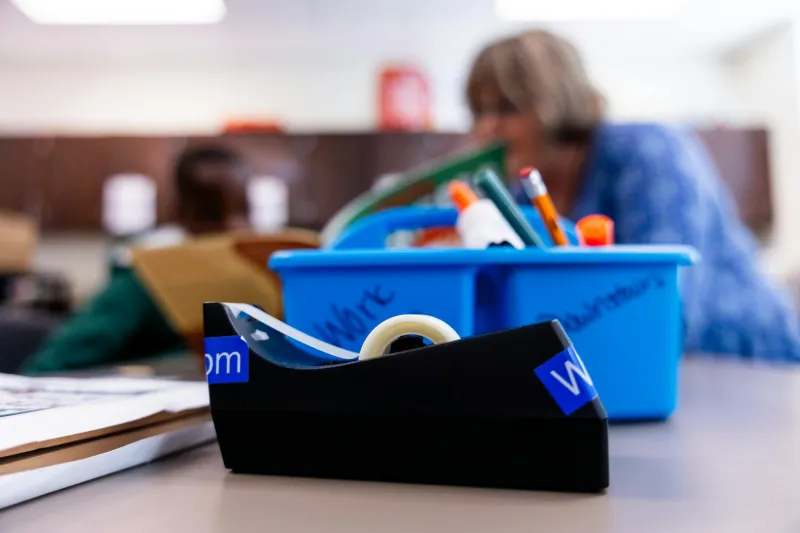
When Good Glue Goes Bad
Richard Drew was supposed to be perfecting wallpaper adhesive in 3M's St. Paul laboratory when everything went sideways in 1925. The young chemist had created what his bosses considered a spectacular failure—a glue that barely stuck to anything and could be peeled off without leaving residue. Most companies would have scrapped the project. 3M almost did.
 Photo: St. Paul, via wallpapers.com
 Photo: Richard Drew, via c8.alamy.com
But Drew couldn't shake the feeling that his "failed" adhesive might be useful for something. He just had no idea what. That answer would come five years later during a chance visit to an auto body shop, where frustrated painters were about to hand him the solution to a problem he didn't know existed.
The Two-Tone Trouble
America was going crazy for two-tone cars in 1930. The flashy paint jobs screamed prosperity and style, but they were a nightmare to produce. Auto painters had to mask off sections of freshly painted cars before applying the second color, and every available method was terrible.
Newspaper and surgical tape left sticky residue that damaged the first coat. Glue-backed paper ripped off paint when removed. Some painters resorted to carefully applied shellac that had to be scraped off later—a process that often ruined hours of work. The industry was desperate for a better masking solution.
Drew witnessed this frustration firsthand during a 3M sales call. Watching painters struggle with stubborn adhesive residue, he had a lightbulb moment: what if his "worthless" weak-sticking glue was actually perfect for temporary applications? Within weeks, he was back in the lab, not trying to make his adhesive stronger, but figuring out how to make it removable and reusable.
The Scotch Solution
The first masking tape Drew developed used his removable adhesive on crepe paper backing. Auto painters loved it—finally, they could mask off sections cleanly and remove the tape without damage. But there was one problem: cost-conscious 3M had applied adhesive only to the edges of the tape to save money.
When painters complained that the middle of the tape didn't stick, one supposedly told a 3M salesman to "take this tape back to your Scotch bosses and tell them to put more adhesive on it." The ethnic slur was meant as an insult about cheapness, but 3M executives saw marketing gold. They embraced "Scotch" as their brand name, turning a derogatory comment into one of America's most recognizable product lines.
By 1930, Drew had perfected a transparent version using cellophane backing instead of crepe paper. This clear tape could be used for more than just auto painting—it could mend, seal, and repair almost anything while remaining nearly invisible.
Depression-Era Lifesaver
The timing couldn't have been better. As the Great Depression devastated American families, Scotch tape became an unlikely hero of frugality. Instead of throwing away torn books, broken toys, or ripped clothing, families could repair them with a few strips of transparent tape.
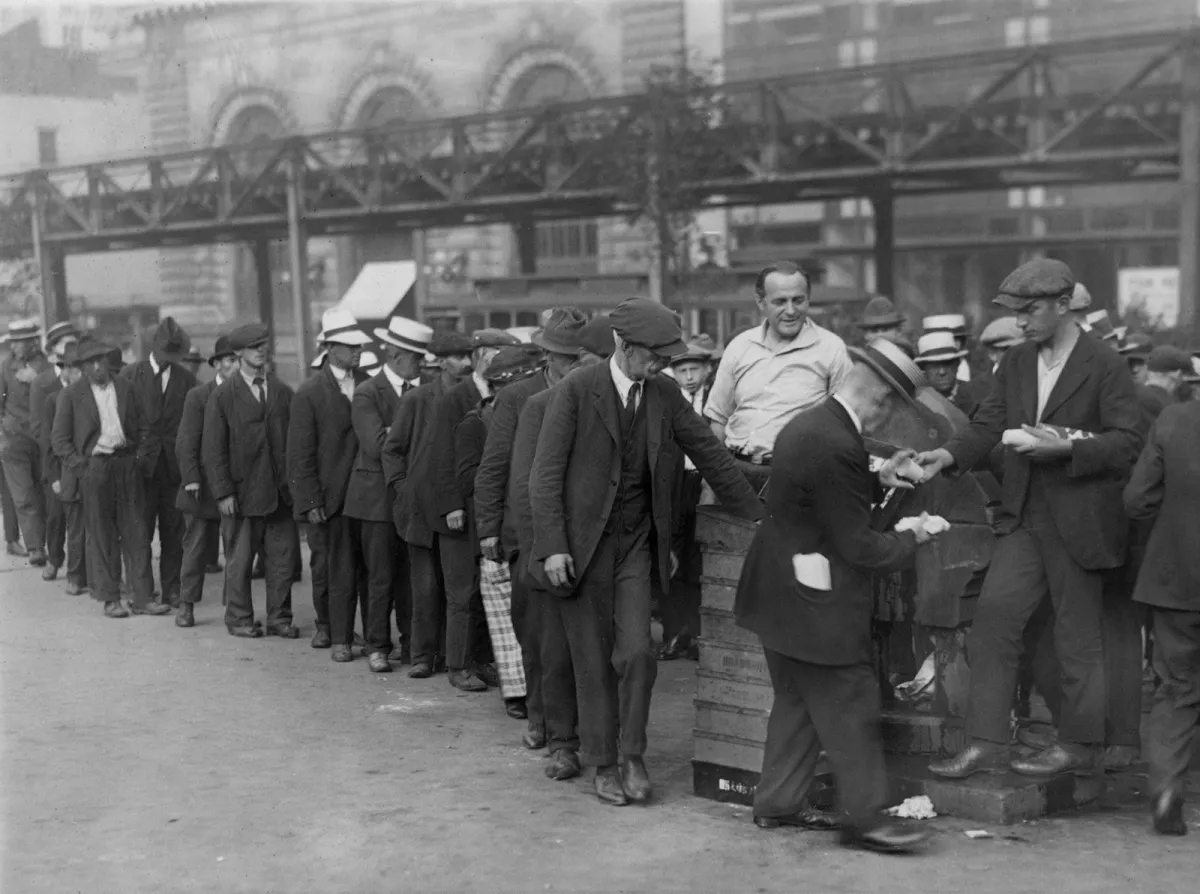 Photo: Great Depression, via cdn.britannica.com
Offices embraced the tape for document repair and organization during an era when every sheet of paper mattered. Libraries used it to mend valuable books. Schools repaired textbooks that had to last for years. Even the federal government became a major customer, using Scotch tape to preserve important documents and maps.
The product was so useful during hard times that 3M couldn't keep up with demand despite the economic collapse. While other companies laid off workers and shuttered factories, 3M was hiring more staff to produce tape. Drew's accidental invention had become recession-proof.
The Invisible Revolution
World War II transformed Scotch tape from household helper to military necessity. Soldiers used it to waterproof equipment, mark maps, and make field repairs. Defense contractors relied on it for aircraft assembly and electronics work. The clear, reliable adhesive became as essential as bullets and bandages.
Post-war prosperity only increased Americans' appetite for transparent tape. The rise of suburban offices, home workshops, and craft hobbies created countless new applications. By the 1960s, Scotch tape was so ubiquitous that "scotch tape" became a generic term for any transparent adhesive tape, regardless of manufacturer.
Today, 3M produces over 900 varieties of tape, but transparent Scotch tape remains the foundation of a multi-billion-dollar business. The company estimates that Americans use enough Scotch tape each year to circle the Earth 165 times.
The Junk Drawer Hall of Fame
Open any American junk drawer, and you'll almost certainly find a dispenser of transparent tape—probably half-empty, definitely tangled, but ready for action. It's become so common that we rarely think about how remarkable the product actually is: a synthetic adhesive that sticks firmly but removes cleanly, applied to a transparent backing that's nearly invisible but remarkably strong.
Drew's "failed" wallpaper glue solved problems he never imagined when he first created it. From auto body shops to space missions, from elementary school art projects to Fortune 500 boardrooms, transparent tape became the universal problem-solver that lives quietly in the background of American life.
The Accident That Keeps On Giving
Richard Drew died in 1980, having witnessed his laboratory mistake become one of the most successful consumer products in history. His story reminds us that innovation often comes from embracing failure rather than avoiding it. What looked like worthless glue became an indispensable tool that has quietly held America together for nearly a century.
The next time you reach for that familiar yellow dispenser, remember: you're using the descendant of a failed wallpaper adhesive that a young chemist refused to give up on. Sometimes the best solutions come from the worst failures—you just have to be creative enough to see the possibilities.