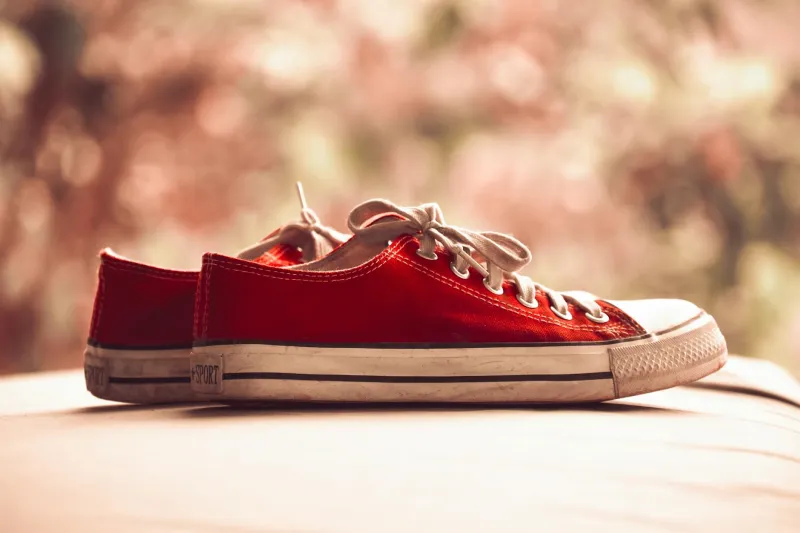
When the Show Must Go On (Without Slipping)
The smell of sawdust, roasted peanuts, and elephant dung filled the air as circus performers prepared for another death-defying show in 1860s America. But there was one enemy more dangerous than lions or tightropes: slippery sawdust floors that could send acrobats tumbling mid-performance.
Traditional leather-soled shoes were useless on the constantly shifting sawdust that covered circus floors for safety and cleanup. Performers needed something that could grip without making noise, bend without breaking, and survive the rigors of nightly shows. What they got was the ancestor of every sneaker sitting in American closets today.
The Rubber Revolution Nobody Saw Coming
The breakthrough came thanks to Charles Goodyear's 1844 discovery of vulcanization—though "discovery" might be generous. Goodyear accidentally dropped a mixture of rubber and sulfur onto a hot stove, creating a material that stayed flexible in cold weather and didn't melt in heat. He had no idea he'd just solved the circus's biggest safety problem.
Shoe manufacturers began experimenting with rubber soles in the 1860s, initially marketing them to wealthy beachgoers as "sand shoes" or "plimsolls." The canvas upper and rubber sole combination was perfect for seaside walks, but circus performers quickly realized these shoes were exactly what they needed for their sawdust stages.
Unlike the rigid leather boots worn by most Americans, these new rubber-soled shoes allowed performers to feel the ground beneath them while maintaining grip. Tightrope walkers, acrobats, and animal trainers adopted them enthusiastically. Word spread through the tight-knit circus community: rubber shoes could save your life.
The Birth of 'Sneaking Around'
By the 1880s, rubber-soled shoes had earned a peculiar reputation beyond the circus tent. The soft soles allowed wearers to move silently, making them popular with cat burglars and other ne'er-do-wells who needed to avoid detection. This association gave birth to the term "sneakers"—shoes that let you sneak around.
The name stuck when the U.S. Rubber Company launched their "Keds" brand in 1916, officially coining "sneakers" in their advertising. They marketed the shoes as athletic wear, distancing them from their criminal associations while capitalizing on the growing American interest in sports and physical fitness.
World War I accelerated sneaker adoption as military training emphasized physical conditioning. Soldiers returning home brought with them a new appreciation for flexible, comfortable footwear. What had once been circus gear was becoming mainstream American fashion.
From Functional to Fashionable
The 1920s marked sneakers' transition from purely practical footwear to status symbols. Converse released their "All Star" basketball shoe in 1917, but it wasn't until player Chuck Taylor endorsed them in the 1920s that athletic shoes became associated with individual performance and style.
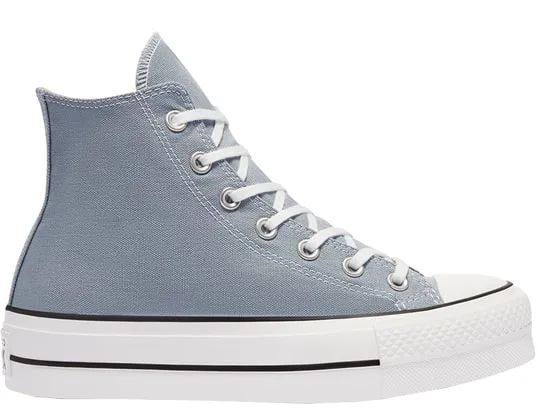 Photo: Chuck Taylor, via imagedelivery.net
College campuses embraced sneakers as symbols of youth and rebellion against formal dress codes. Students wore them to classes, social events, and weekend activities. Parents complained that young people were abandoning "proper" leather shoes for rubber-soled "gymnasium shoes," but the trend was unstoppable.
The Great Depression actually boosted sneaker sales as families sought durable, affordable footwear. A pair of canvas sneakers cost a fraction of leather shoes and lasted longer under heavy use. Necessity drove adoption, but comfort and versatility kept Americans coming back.
The Athletic Empire Nobody Expected
Post-World War II prosperity transformed sneakers from budget option to lifestyle choice. Companies like Nike, Adidas, and Puma emerged in the 1960s and 70s, turning athletic footwear into a billion-dollar industry built on performance claims and celebrity endorsements.
The 1985 launch of Air Jordan marked sneakers' complete cultural transformation. What circus performers had worn for safety and silence became symbols of athletic achievement, personal expression, and social status. Americans began collecting sneakers like art, paying hundreds or thousands of dollars for shoes they might never wear.
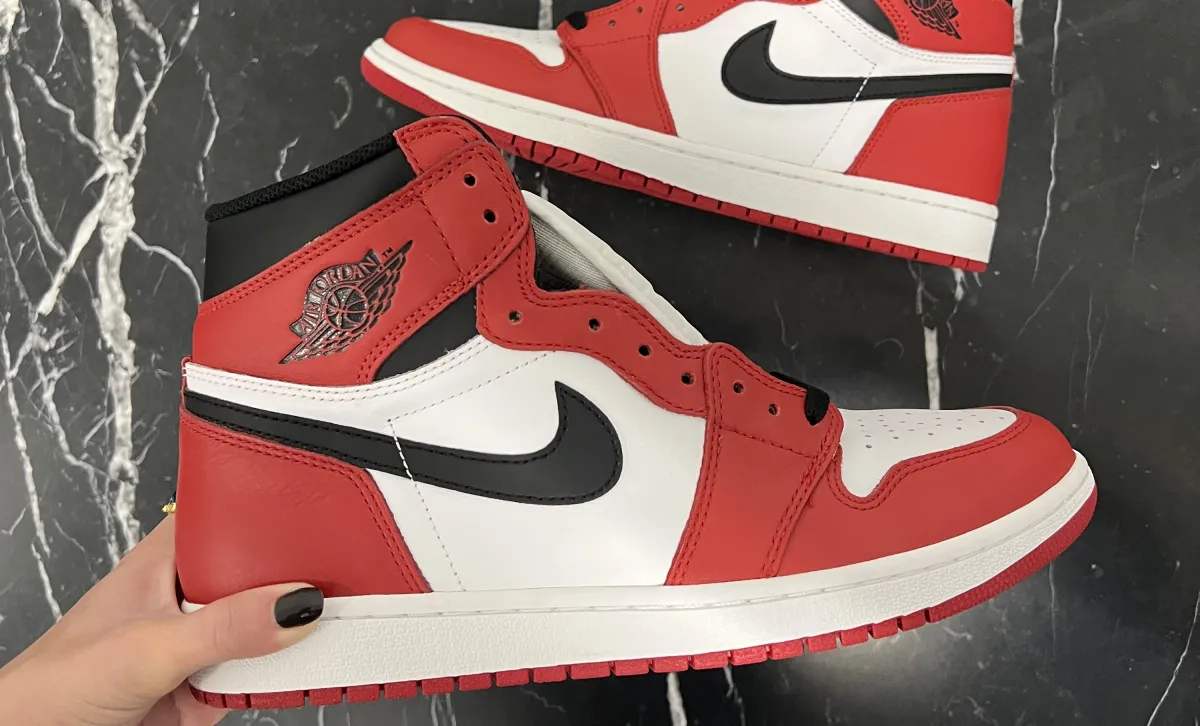 Photo: Air Jordan, via sothebys-com.brightspotcdn.com
Today's $70 billion global sneaker market traces directly back to those circus performers sliding around on sawdust floors. The basic design—canvas or synthetic upper, rubber sole, flexible construction—remains virtually unchanged from those original "sand shoes" of the 1860s.
The Grip That Changed Everything
Walk through any American mall, school, or office building, and you'll see Charles Goodyear's accidental discovery on nearly every foot. Sneakers have become so ubiquitous that we forget they once solved a very specific problem for a very specific group of people.
The circus performers who first laced up rubber-soled shoes were simply trying to avoid injury while entertaining crowds. They had no idea they were pioneering a fashion revolution that would eventually spawn Air Jordans, influence hip-hop culture, and create a secondary market worth billions of dollars.
Every time you slip on a pair of sneakers—whether for a morning jog, a casual Friday at work, or just running errands—you're participating in a tradition that began under the big top. The shoes that once kept acrobats from slipping on sawdust now keep America moving, one comfortable step at a time.