The Vitamin C Crisis
In 1942, the U.S. military faced a serious nutritional problem. Soldiers deployed overseas were developing scurvy and other vitamin C deficiency diseases at alarming rates. Fresh citrus fruits spoiled too quickly during long ocean voyages, and canned juices were heavy, expensive to ship, and tasted terrible after months in storage.
The Army Quartermaster Corps had already tried multiple solutions. Vitamin C tablets were unreliable and often ineffective. Dehydrated fruit powders were bitter and unpopular with troops. Fresh oranges rotted before reaching combat zones. Military nutritionists needed a lightweight, shelf-stable way to deliver vitamin C that soldiers would actually consume.
The answer would come from a process that food scientists had already tried—and rejected—multiple times before the war.
The Laboratory Failures
Frozen concentrated orange juice wasn't a new idea in 1942. Food researchers had been experimenting with concentration and freezing techniques since the 1920s, but every attempt had produced an undrinkable product. The process seemed straightforward: remove most of the water from fresh orange juice, freeze the concentrate, and add water back later.
The reality was far more complicated. Early concentration methods destroyed the volatile compounds that gave orange juice its appealing taste and aroma. The resulting concentrate, when reconstituted, tasted flat, artificial, and nothing like fresh oranges. Commercial food companies had written off the entire concept as unsolvable.
Dr. Louis MacDowell, working at the Florida Citrus Commission, had spent years trying to crack the concentration problem with little success. His laboratory was filled with failed experiments—jars of concentrate that smelled wrong, tasted bitter, or separated when mixed with water.
 Photo: Florida Citrus Commission, via mma.prnewswire.com
The Wartime Breakthrough
The military contract changed everything. Suddenly, MacDowell had unlimited funding, access to the best equipment, and a clear deadline: solve the concentrate problem or watch American soldiers suffer from preventable diseases.
Working with a team of food scientists and engineers, MacDowell made a crucial discovery. The key wasn't just removing water—it was controlling which compounds were preserved during concentration. By adjusting temperature, pressure, and timing during the evaporation process, they could retain the essential oils and flavor compounds that previous methods had destroyed.
The breakthrough came in late 1943. MacDowell's team had developed a process that could reduce fresh orange juice to one-sixth its original volume while preserving most of its nutritional value and taste. When reconstituted with five parts water, the result was nearly indistinguishable from fresh juice.
From Battlefield to Breakfast Table
The military was thrilled. Concentrated orange juice could be shipped efficiently to any combat zone, stored indefinitely in field conditions, and provided reliable vitamin C nutrition. Soldiers initially approached the reconstituted juice with skepticism—they'd been disappointed by too many artificial substitutes—but found it surprisingly palatable.
More importantly, word began filtering back to families at home. Letters from overseas mentioned the "concentrated orange juice" that actually tasted good. Soldiers on leave brought small samples home to demonstrate the process. By 1944, American civilians were curious about this military innovation that might solve their own citrus storage problems.
The timing was perfect for postwar America. Suburban families were investing in larger refrigerators with freezer compartments. Supermarkets were expanding frozen food sections. The infrastructure for a frozen concentrate industry was falling into place just as the military contracts were ending.
The Commercial Revolution
In 1946, the first civilian frozen orange juice concentrate appeared in American supermarkets. Minute Maid, founded specifically to commercialize MacDowell's military technology, launched with the slogan "Fresh frozen—the natural juice of tree-ripened oranges."
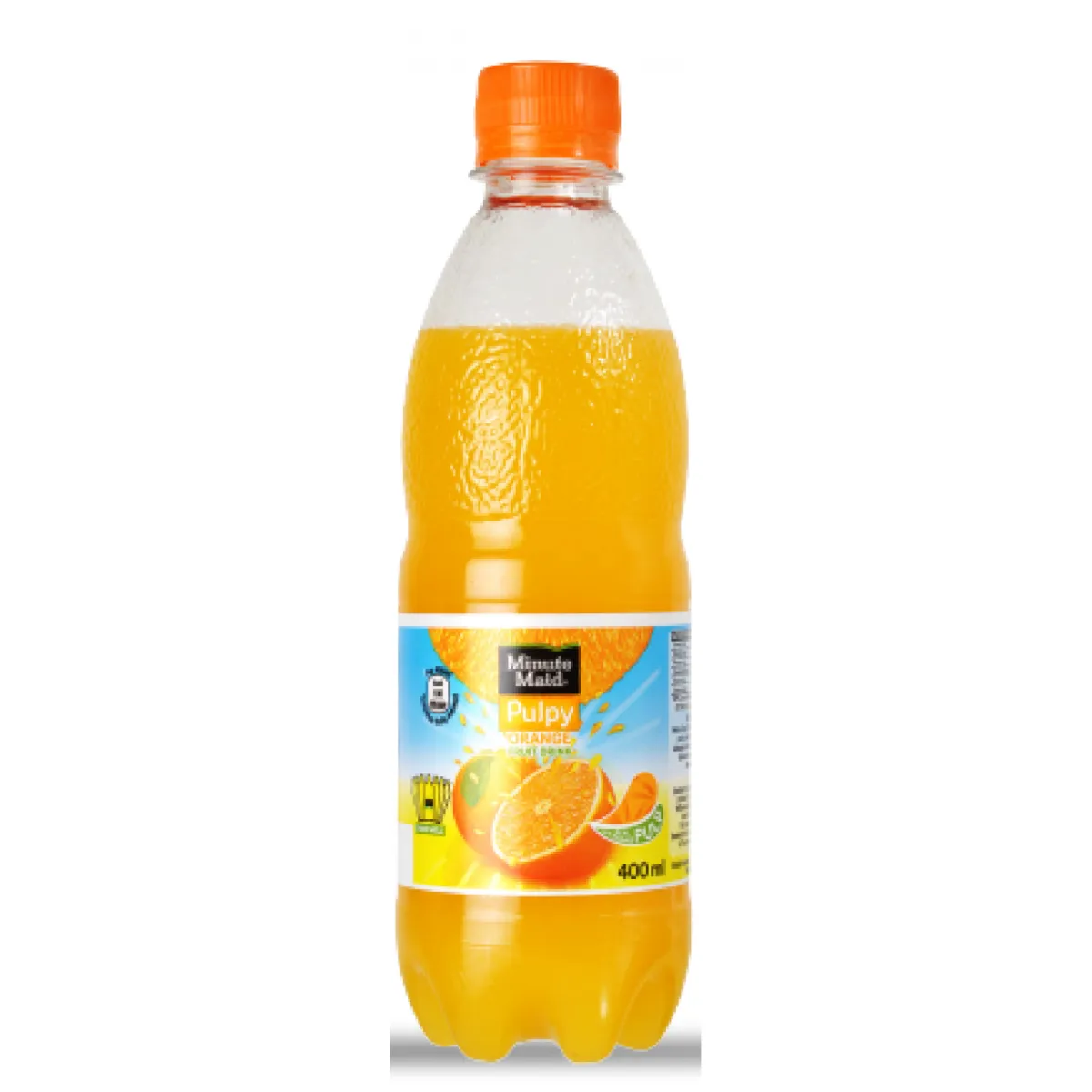 Photo: Minute Maid, via eats.gatewaystream.com
The product faced initial consumer resistance. Americans were accustomed to squeezing fresh oranges or going without. The idea of reconstituting frozen concentrate seemed artificial and complicated. Early sales were disappointing, and industry analysts predicted the product would fail within two years.
But returning veterans became the product's best salespeople. They demonstrated the reconstitution process to neighbors and family members, emphasizing how much the concentrate had meant during their military service. This word-of-mouth marketing proved more effective than any advertising campaign.
The Convenience Factor
By 1950, frozen orange juice concentrate had found its market niche: busy suburban families who wanted fresh-tasting citrus without the hassle of squeezing oranges daily. A single can of concentrate could provide a week's worth of breakfast juice, stored conveniently in the freezer until needed.
The product's success spawned an entire industry. Competing brands emerged with their own concentration processes. Grocery stores expanded their frozen juice sections to include grapefruit, lemonade, and fruit punch concentrates. The frozen food industry, still in its infancy, gained credibility from concentrate's success.
More significantly, concentrate changed American breakfast habits. Families who had traditionally drunk coffee, milk, or nothing at breakfast began expecting citrus juice as a standard morning beverage. Orange juice became as essential to breakfast as coffee or toast.
The Cultural Transformation
By 1960, Americans were consuming more frozen orange juice concentrate than fresh oranges. The product that had begun as a military logistics solution had become a cornerstone of American food culture. Suburban refrigerators across the country contained those familiar cylindrical cans, and the ritual of mixing concentrate with water became a common childhood memory.
The success had broader implications for the American food industry. It demonstrated that consumers would accept processed alternatives to fresh foods if the quality was sufficient and the convenience compelling. This insight would later drive the development of countless other processed foods that defined mid-century American eating habits.
The Lasting Legacy
Today, even as fresh orange juice has regained popularity, frozen concentrate remains a significant part of the American citrus market. The technology developed to solve a wartime vitamin crisis created an industry worth billions of dollars annually.
More importantly, it established orange juice as an essential component of the American breakfast—a cultural norm that didn't exist before World War II. The morning glass of OJ, whether fresh-squeezed or reconstituted, traces directly back to military scientists who needed to keep soldiers healthy overseas.
Sometimes the most enduring civilian innovations emerge from military necessity. A laboratory failure became a breakfast institution because war forced scientists to solve a problem that peacetime markets had been content to ignore. The frozen concentrate in American freezers today carries the DNA of a 1940s military ration designed for soldiers who just needed their vitamin C.