From the Doctor's Bag to the Diner Table: How Ketchup Started as a Medicine
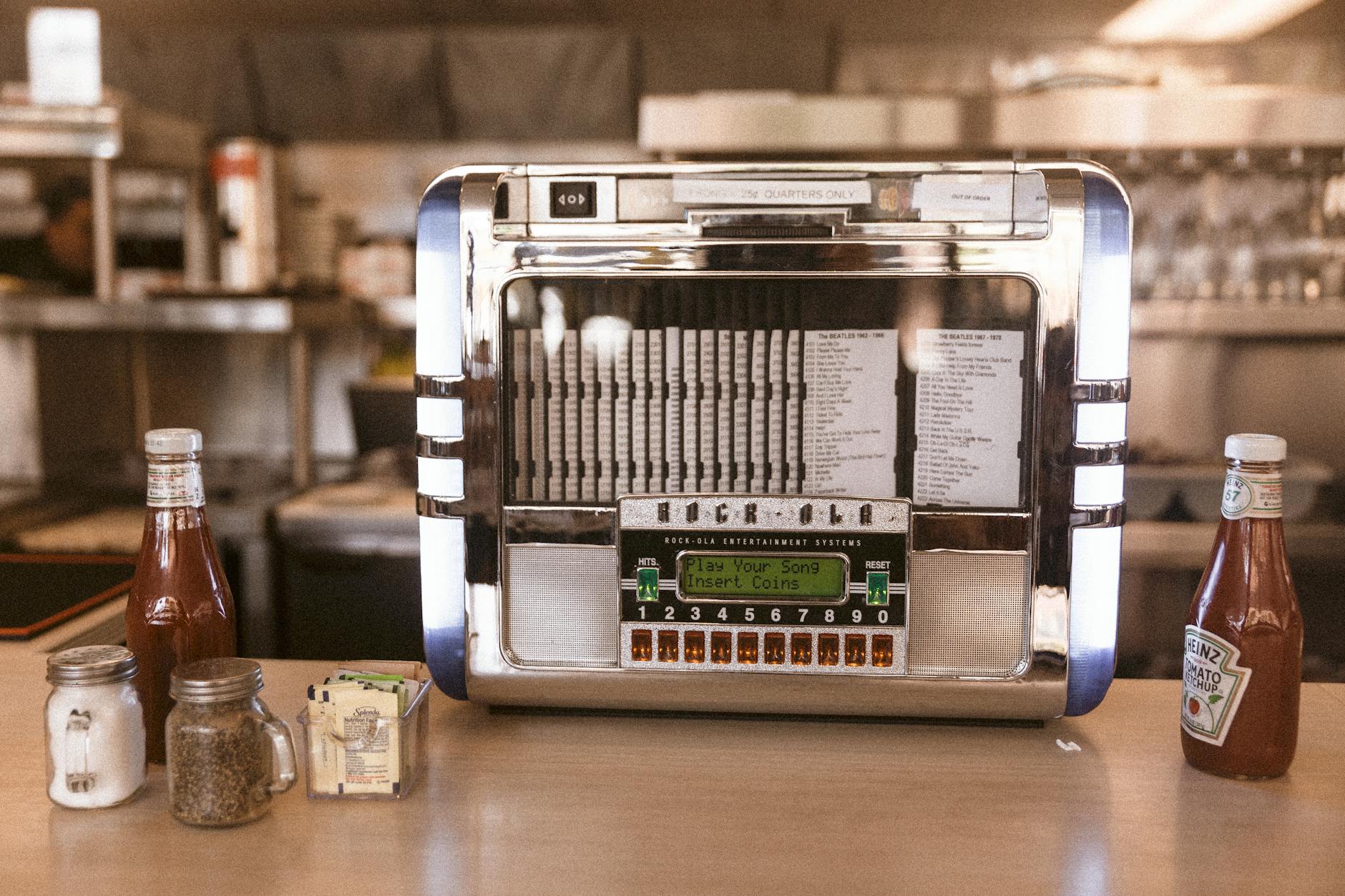
From the Doctor's Bag to the Diner Table: How Ketchup Started as a Medicine
There's a bottle of ketchup in your fridge right now. Maybe two. You've never once thought about where it came from — it's just there, the way oxygen is just there. But the backstory of that red bottle is one of the stranger detours in American food history, involving quack doctors, tomato-phobia, industrial chemistry, and a Pittsburgh businessman who turned a dubious health trend into a global condiment empire.
When Tomatoes Were Considered Dangerous
To understand how ketchup became medicine, you first need to understand that for much of early American history, people genuinely believed tomatoes could kill you. The tomato is a member of the nightshade family, and Europeans had long treated it with suspicion. By the time the fruit made its way into American kitchens in the early 1800s, the fear had softened — but only slightly. Tomatoes were edible, sure, but they weren't exactly trusted.
That skepticism made it all the more remarkable when, in the 1830s, an Ohio physician named John Cook Bennett began arguing the opposite: that tomatoes weren't just safe, they were medicinal. Bennett published claims that tomatoes could treat conditions ranging from diarrhea and indigestion to liver disease and cholera. His writings spread quickly through newspapers, and the medical community — such as it was in an era of frontier medicine and loose regulation — took notice.
Before long, tomato extract was being sold in pill form. Pharmacists stocked it. Physicians prescribed it. One brand, advertised in newspapers throughout the 1830s and 1840s, pitched "tomato pills" as a universal remedy for digestive ailments. The patent medicine era was in full swing, and tomatoes had found an unlikely starring role.
The Sauce That Outlasted the Snake Oil
Of course, the medical claims were nonsense. By the 1850s, the tomato-as-medicine craze had largely faded, debunked by the same medical establishment that had briefly embraced it. But something unexpected had happened in the meantime: Americans had started cooking with tomatoes in earnest, and a thin, spiced tomato sauce — descended loosely from British mushroom-based "catsups" — had become a fixture in home kitchens.
Early homemade ketchup was a far cry from what you'd recognize today. It was thinner, more acidic, and made in small batches that spoiled quickly. Recipes varied wildly from household to household. Some versions included anchovies or walnuts. Others were closer to a vinegar brine than a sauce. The word "ketchup" itself likely traces back to a Southeast Asian fermented fish sauce called kecap, brought to Britain by sailors in the 17th century — meaning the condiment's roots stretch even further back than the tomato craze.
The real transformation came in the second half of the 19th century, when industrialization began reshaping how Americans ate.
The Man Who Standardized the Bottle
In 1876, a Pittsburgh entrepreneur named Henry J. Heinz introduced a commercially bottled tomato ketchup under his own name. This wasn't the first bottled ketchup on the market, but it was different in one critical way: Heinz was obsessed with purity and consistency at a time when food adulteration was rampant.
Commercial food production in the Gilded Age was, to put it mildly, unregulated. Manufacturers routinely added coal tar dyes, preservatives, and fillers to extend shelf life and cut costs. Ketchup was no exception. Many commercial versions of the era contained coal-derived preservatives and little actual tomato.
Heinz went the other direction. He used ripe tomatoes, natural vinegar, and enough sugar to act as a natural preservative — a formula that also happened to produce a richer, more consistent product. He packaged it in clear glass bottles so customers could see exactly what they were buying. It was a radical transparency move for the era, and it worked.
By the time the Pure Food and Drug Act passed in 1906 — cracking down on the very adulterants that Heinz had already abandoned — his brand was already synonymous with the product itself.
How a Failed Remedy Became a Reflex
What's remarkable about ketchup's journey isn't just how it got here — it's how thoroughly it erased its own origin story. The medicinal chapter lasted maybe two decades. The condiment chapter has now run for over 150 years and shows no signs of stopping. Today, Americans consume roughly 10 billion ounces of ketchup annually. It sits on the table at fast food restaurants without anyone asking for it. It's the default.
Somewhere between John Cook Bennett's dubious tomato pills and the Heinz bottle on your kitchen counter, a failed health remedy quietly became one of the most deeply embedded foods in American culture. The doctors who prescribed it are long forgotten. The sauce stayed.
Next time you reach for the ketchup without thinking, consider that you're participating in a tradition that started with someone trying to cure a stomachache — and accidentally invented a condiment empire instead.