How One Chef's Frustration in 1853 Created America's Most Beloved Snack
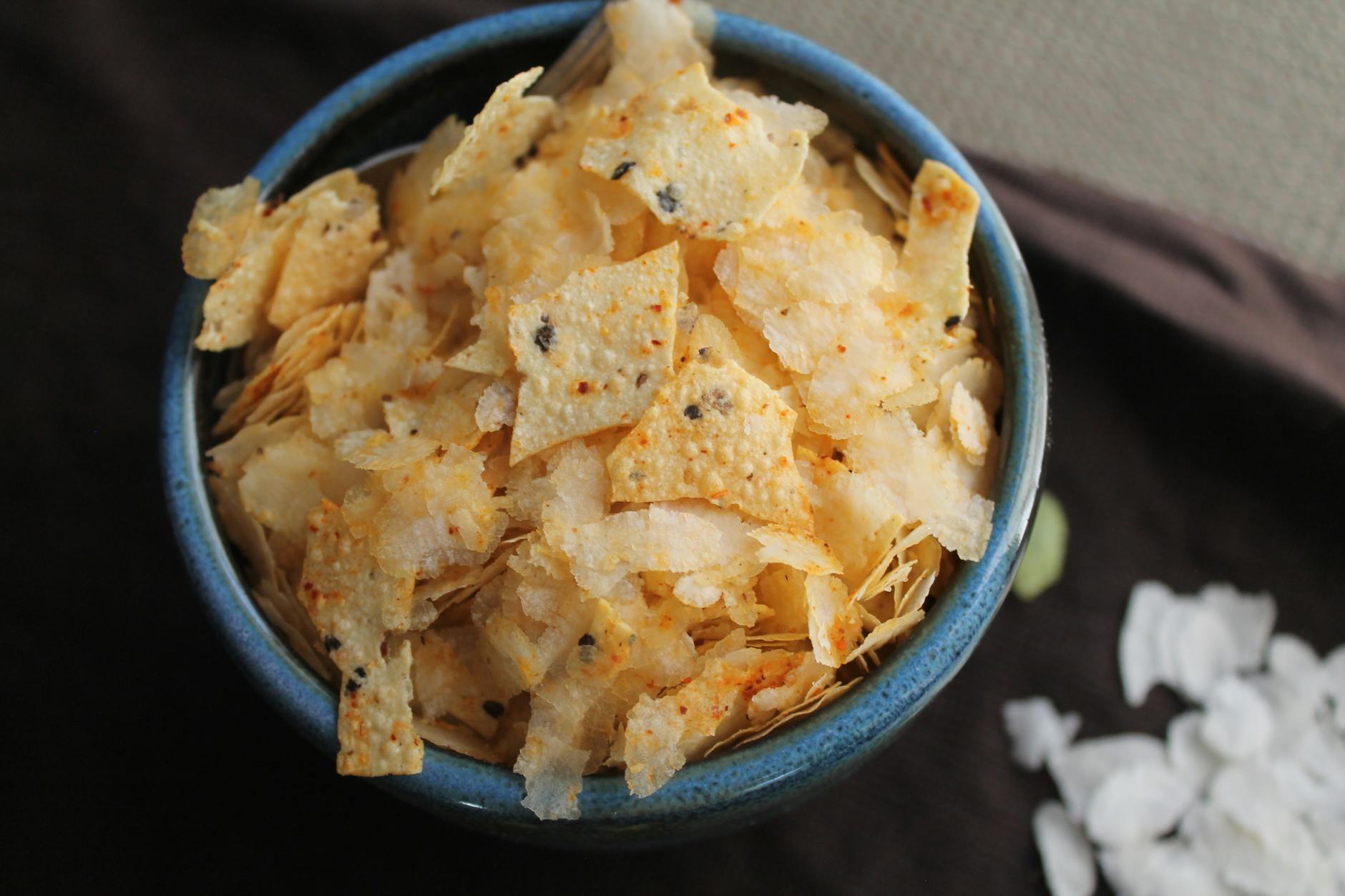
How One Chef's Frustration in 1853 Created America's Most Beloved Snack
Nobody sets out to revolutionize an industry out of spite — but that's more or less what happened in a Saratoga Springs kitchen in 1853. What started as a passive-aggressive response to a picky dinner guest ended up reshaping the way Americans snack forever. The potato chip wasn't designed by food scientists or dreamed up in a corporate test kitchen. It was born from irritation.
The Complaint That Started Everything
The story goes like this. It's a summer evening at Moon's Lake House, a popular resort restaurant in Saratoga Springs, New York. A guest — widely reported to be railroad magnate Cornelius Vanderbilt, though that detail has been disputed by historians — keeps sending his fried potatoes back to the kitchen. Too thick, he says. Too soggy. Not what he wanted.
The chef, George Crum, was not known for his patience. A man of mixed African American and Native American heritage who had built a serious reputation in the region, Crum had little interest in being told how to do his job. After the dish came back a second time, something shifted. Whether it was genuine frustration or calculated defiance depends on who's telling the story. Either way, Crum decided to make the thinnest, crispiest, most impossible-to-complain-about fried potato slices he could manage. He shaved them paper-thin, fried them until they were brittle, and sent them out loaded with salt.
His expectation, presumably, was that the guest would have nothing left to say. What actually happened was that the table loved them.
From Restaurant Novelty to Regional Sensation
Crum didn't immediately recognize what he had stumbled onto. For a while, the thin fried potatoes — then called Saratoga Chips — remained a specialty of the house, something guests ordered specifically because they'd heard about them. Word spread the way word spread in the nineteenth century: slowly, through personal recommendation, through travelers carrying stories home from their summer holidays.
Eventually, Crum opened his own restaurant in 1860 and made the chips a signature item. Baskets of them sat on every table. Customers came partly for the food, partly for the novelty. But even then, the chip existed only within a fairly small geographic radius. Getting a product like that to travel — literally — was a problem nobody had solved yet.
The barrier was simple: freshness. Thin fried potato slices go stale fast. Without reliable packaging, there was no way to ship them, store them, or sell them at scale. They were a restaurant food, full stop.
The Packaging Breakthrough That Changed Everything
The industrial leap came in the early twentieth century, when entrepreneurs started experimenting with selling chips in sealed waxed paper bags. The Hanover Home Brand Potato Chips, founded in Pennsylvania in the 1920s, was among the first to crack the mass-market distribution problem. Laura Scudder, a California businesswoman, is often credited with refining the approach — her company hand-ironed waxed paper bags shut to preserve freshness, a small innovation that made a national market suddenly imaginable.
Once chips could travel without going stale, the industry exploded. By the 1930s and 1940s, regional chip manufacturers were popping up across the country. Lay's, founded in 1932 by Herman Lay out of Nashville, became one of the first brands to build genuine national distribution. The company eventually merged with Frito in 1961 to form Frito-Lay, and the snack aisle as Americans know it today started to take shape.
A Multi-Billion Dollar Industry Built on a Bad Mood
Today, the US potato chip market is worth somewhere in the neighborhood of $11 billion annually. The average American eats around four pounds of potato chips per year. There are hundreds of flavors, from the aggressively seasoned to the artisanal, and the chip occupies a cultural space that goes well beyond snacking — it shows up at every cookout, every game day spread, every vending machine in every office break room in the country.
None of that was planned. There was no product roadmap, no consumer research, no focus group that identified a gap in the market for extremely thin fried potatoes. There was just a chef who'd had enough of being second-guessed, a pan of hot oil, and a very sharp knife.
Why the Origin Still Matters
The potato chip story is a good reminder that some of the most durable products in American life weren't engineered — they were improvised. George Crum never patented his creation. He never became wealthy off it in the way the industry that followed him did. But the chain of events that his moment of kitchen frustration set in motion is genuinely hard to overstate.
Next time you reach into a bag without thinking about it — which is to say, the next time you have a bag of chips anywhere near you — it's worth pausing for a second on that image: a frustrated cook in upstate New York, slicing potatoes thinner and thinner just to make a point. He made his point. It just turned out to be a much bigger one than he intended.