The Doctor's Desperate Experiment
In the spring of 1886, Dr. John Stith Pemberton was a man with a problem. The 54-year-old Atlanta pharmacist had become addicted to morphine after suffering a saber wound during the Civil War. Like thousands of veterans, Pemberton was trapped in a cycle of pain and dependency that nineteenth-century medicine couldn't break.
Working in his backyard laboratory, Pemberton began experimenting with coca leaves and kola nuts, hoping to create a morphine substitute that would ease withdrawal symptoms without creating new addictions. His goal wasn't to invent a soft drink — it was to save his own life.
The Patent Medicine Gold Rush
Pemberton's timing was perfect for all the wrong reasons. Post-Civil War America was experiencing a patent medicine boom, with desperate people buying miracle cures that promised everything from hair growth to eternal youth. The federal government barely regulated these concoctions, allowing entrepreneurs to make outrageous medical claims without proof.
Most patent medicines were either harmless placebos or dangerous cocktails of alcohol and narcotics. The successful ones shared a common strategy: they made people feel better temporarily, ensuring repeat customers. Pemberton understood this market intimately — he'd already created several patent medicines, including "Pemberton's French Wine Coca," a popular tonic that combined wine with cocaine.
The Temperance Problem
In 1885, Atlanta went dry. The temperance movement had convinced city leaders to ban alcohol sales, destroying the market for Pemberton's wine-based tonics. He needed to reformulate his products quickly or lose his business entirely.
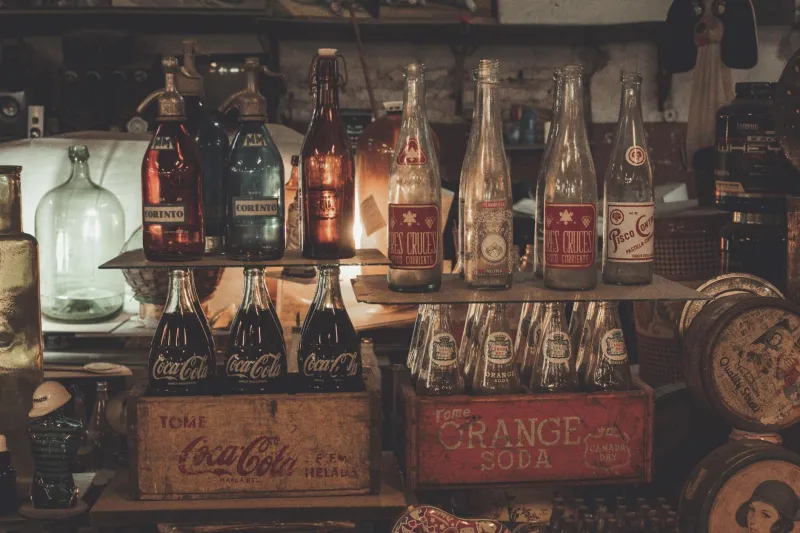
Pemberton removed the wine from his coca formula and added carbonated water, creating what he called "Pemberton's French Wine Coca's" non-alcoholic successor. His bookkeeper, Frank Robinson, suggested a catchier name: Coca-Cola. Robinson also designed the distinctive script logo that would become one of the world's most recognizable trademarks.
The Accidental Soft Drink
Pemberton never intended to create a recreational beverage. His marketing materials promoted Coca-Cola as a medicine that could cure headaches, calm nerves, and relieve mental fatigue. The original formula contained cocaine from coca leaves and caffeine from kola nuts — both considered therapeutic rather than recreational.
The first sales were modest. Pemberton sold about nine glasses per day at Jacobs' Pharmacy in downtown Atlanta, marketing it as a "brain tonic" for five cents a glass. Customers came seeking relief from ailments, not refreshment from heat.
The Soda Fountain Revolution
America's soda fountain culture proved crucial to Coca-Cola's transformation. Pharmacies had installed carbonated water dispensers to mix with medicinal syrups, creating a social gathering place where people could sample various tonics and remedies. These fountains became America's first casual dining establishments.
Soda jerks — the pharmacists and assistants who operated the fountains — began experimenting with Pemberton's syrup, adjusting ratios and serving techniques. They discovered that customers enjoyed the taste even when they didn't need medical treatment. The medicine was becoming a beverage by accident.
The Businessman's Vision
Pemberton died in 1888, selling his formula for $2,300 to Asa Candler, a fellow Atlanta pharmacist. Candler immediately recognized what Pemberton had missed: Coca-Cola's commercial potential lay in taste, not medicine. He began aggressive marketing campaigns that positioned Coca-Cola as a refreshing drink rather than a therapeutic tonic.
Candler's genius was understanding that Americans wanted pleasure, not just health. He shifted advertising from medical claims to lifestyle promises, suggesting that Coca-Cola could enhance social experiences and provide everyday enjoyment. The transformation from pharmacy to refreshment stand was complete.
The Cocaine Problem
By 1903, public attitudes toward cocaine had shifted dramatically. What nineteenth-century doctors had considered a miracle cure was now recognized as a dangerous narcotic. The Pure Food and Drug Act of 1906 would soon require companies to list cocaine content on labels.
Candler quietly reformulated Coca-Cola, removing cocaine while maintaining the coca leaf flavoring through a special extraction process. The company began using "decocainized" coca leaves, preserving the original taste while eliminating the narcotic properties. This change happened so gradually that most customers never noticed.
Building an Empire
The early twentieth century saw Coca-Cola's explosive growth across America. Candler's marketing strategy emphasized consistency — every Coca-Cola should taste identical whether purchased in Atlanta or San Francisco. This standardization was revolutionary in an era when most food and beverages varied significantly by region.
The company's expansion coincided with America's growing consumer culture. As disposable income increased and leisure time expanded, Americans embraced products that promised enjoyment rather than just necessity. Coca-Cola rode this wave perfectly, transforming from a medical experiment into a lifestyle choice.
The Global Transformation
World War II accelerated Coca-Cola's international expansion when the company followed American troops overseas, establishing bottling plants near military bases. What began as support for soldiers became global market penetration. The drink that Dr. Pemberton had created to cure his morphine addiction was becoming a symbol of American culture worldwide.
By 1950, Coca-Cola was selling in 190 countries. The company had successfully separated its product from any medical associations, instead building a brand around happiness, refreshment, and social connection. The transformation was so complete that few consumers knew about the drink's pharmaceutical origins.
The Accidental Legacy
Today, Coca-Cola is the world's most valuable beverage brand, worth over $80 billion. Americans consume more Coca-Cola than any other manufactured beverage, drinking an average of 38 gallons per person annually. The company that began with a wounded veteran seeking addiction relief now influences global culture and commerce.
Dr. Pemberton's failed medical experiment reveals how innovation often emerges from personal necessity rather than market research. His attempt to solve a private health crisis accidentally created a product that would define American taste preferences for over a century. Sometimes the most successful businesses start with entrepreneurs trying to fix their own problems.