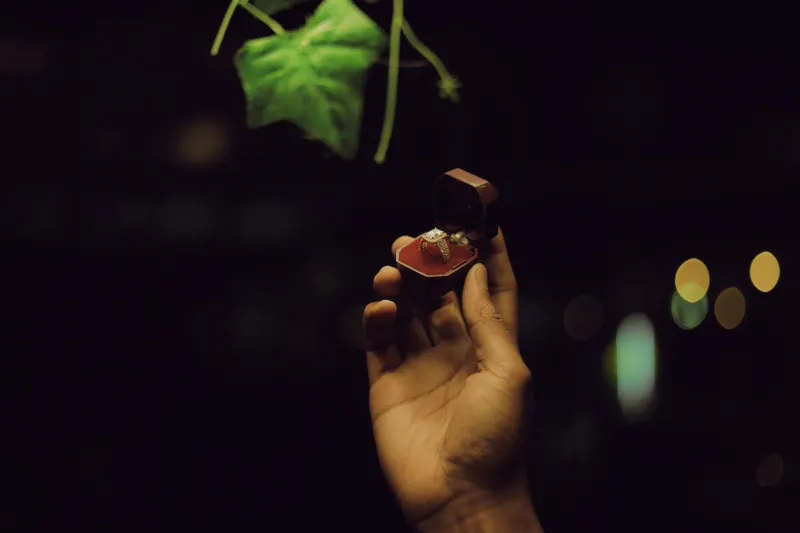
When Love Didn't Need Diamonds
In 1930, only 10% of American engagement rings contained diamonds. Most couples exchanged simple bands, family heirlooms, or nothing at all. Marriage was about partnership, not purchasing power. Love was measured in commitment, not carats. Then Madison Avenue got involved, and everything changed.
The transformation didn't happen overnight, and it wasn't organic. It was the result of one of the most successful marketing campaigns in history—a deliberate effort to manufacture a tradition from scratch and convince Americans that their grandparents had somehow been doing love wrong.
The Company With a Diamond Problem
De Beers Consolidated Mines had a serious business problem in the 1930s. They controlled most of the world's diamond supply, but nobody particularly wanted what they were selling. Diamonds were seen as luxury items for the wealthy, not necessities for regular people planning weddings.
The Great Depression had made things worse. Even wealthy Americans were cutting back on frivolous spending, and diamonds definitely qualified as frivolous. De Beers was sitting on massive stockpiles of stones with no market for them. They needed to create demand where none existed.
Enter Gerold Lauck, a young executive at the N.W. Ayer advertising agency in Philadelphia. Lauck had a radical idea: instead of selling diamonds as luxury goods, what if they positioned them as emotional necessities? What if they could convince Americans that a diamond ring wasn't just jewelry, but proof of love itself?
Manufacturing Romance
Lauck's strategy was brilliant in its simplicity. Rather than focus on the diamonds' beauty or rarity, the campaign would target the insecurity and social pressure around engagements. The message was subtle but powerful: a man who truly loved his fiancée would buy her a diamond. Anything less suggested his feelings weren't genuine.
The campaign launched in 1938 with a slogan that would become one of the most recognizable phrases in advertising history: "A Diamond is Forever." But the slogan was just the beginning. N.W. Ayer orchestrated a comprehensive cultural intervention that touched every aspect of American courtship.
They placed articles in women's magazines explaining the "proper" way to get engaged (with diamonds, naturally). They worked with Hollywood to ensure movie stars wore diamond rings in romantic scenes. They even sent lecturers to high schools to teach young women about the "diamond engagement tradition"—a tradition that, at the time, was only a few years old.
The Two-Month Salary Rule
Perhaps the most audacious part of the campaign was the "two months' salary" guideline. This wasn't ancient wisdom or cultural tradition—it was pure marketing invention, designed to give men a specific spending target and women a way to measure their worth.
The rule was genius because it scaled with income. A factory worker and a banker would spend vastly different amounts, but both would feel they were following the same tradition. It also created a minimum threshold that prevented men from buying small, inexpensive diamonds and calling it good enough.
N.W. Ayer tested different timeframes—one month's salary felt too cheap, three months felt unrealistic. Two months hit the sweet spot: significant enough to feel meaningful, achievable enough to be realistic. They promoted this "rule" through magazine articles, radio spots, and even etiquette books, presenting it as established custom rather than corporate marketing.
Hollywood Gets a Script
The campaign's most sophisticated element was its infiltration of popular culture. N.W. Ayer didn't just buy advertisements—they rewrote the script of American romance. They worked directly with movie studios, providing free diamonds for films and ensuring that leading men proposed with proper rings.
Cary Grant, Clark Gable, and other heartthrobs became unwitting spokesmen for De Beers, their on-screen proposals setting expectations for real-life relationships. When audiences saw their favorite stars presenting diamond rings as the ultimate romantic gesture, it didn't feel like advertising—it felt like love.
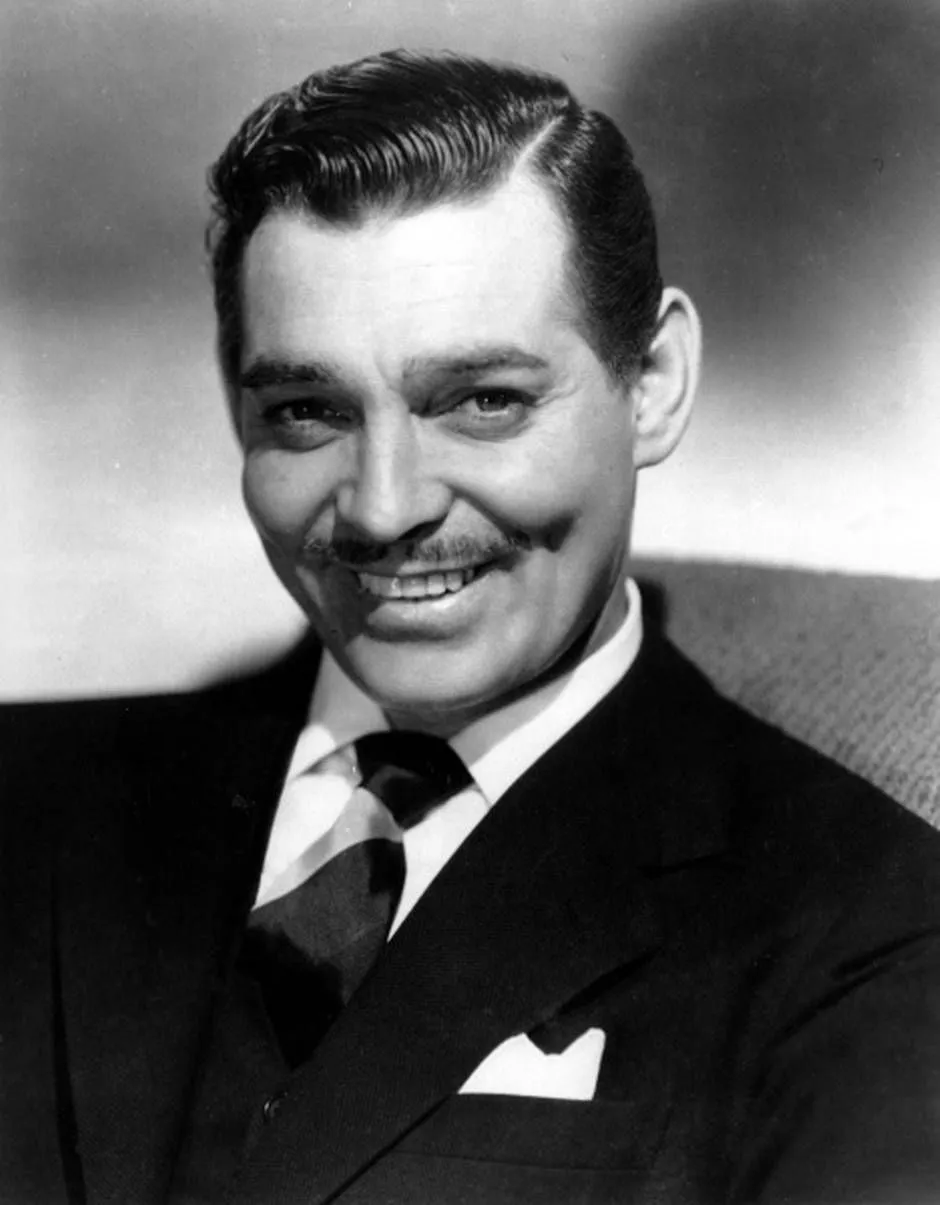 Photo: Clark Gable, via i.pinimg.com
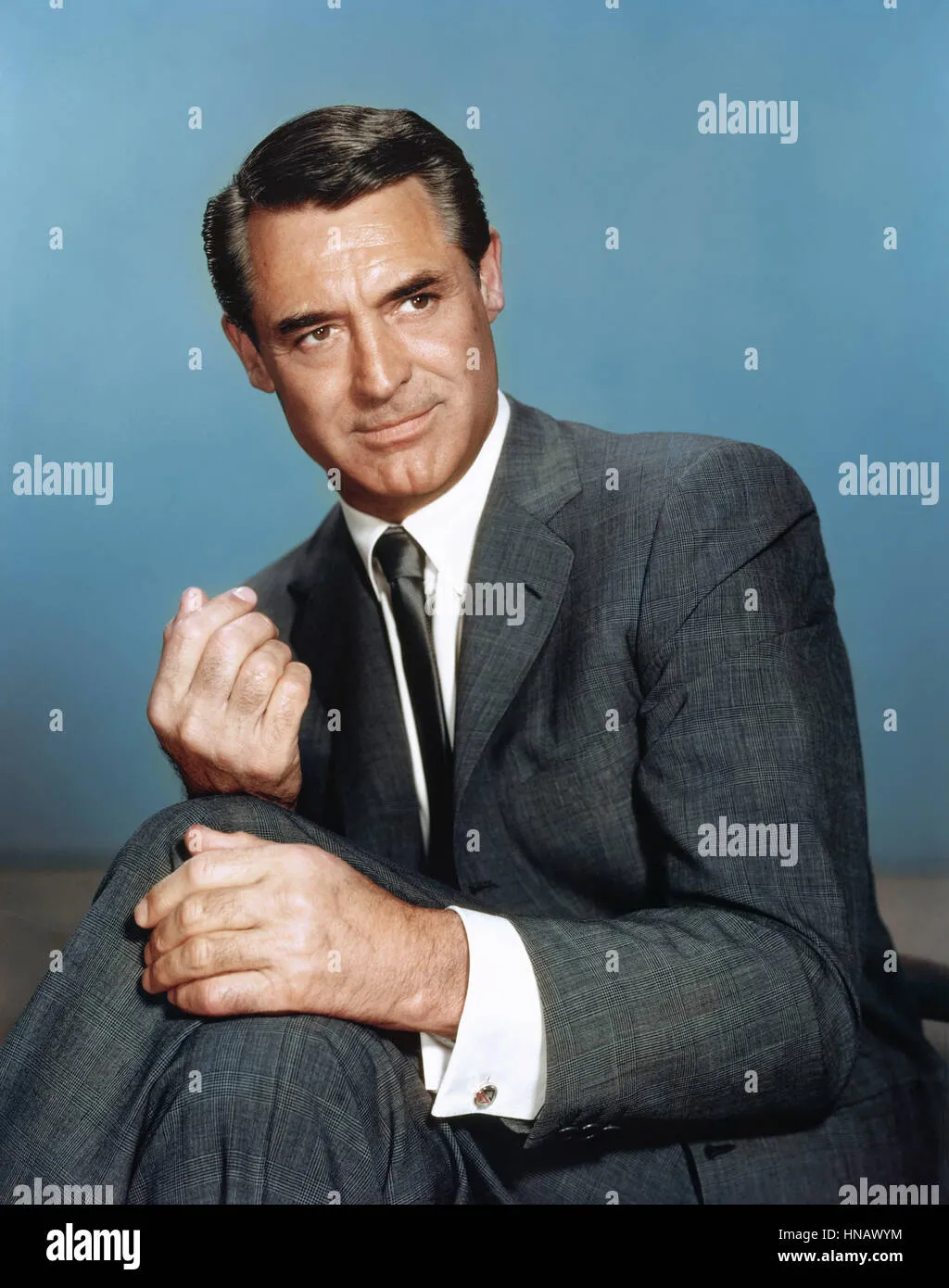 Photo: Cary Grant, via c8.alamy.com
The agency also cultivated relationships with gossip columnists, ensuring that celebrity engagements always mentioned the diamond ring's size and quality. Society pages became free advertising space, with each announcement reinforcing the idea that serious relationships required serious rocks.
The Tradition That Wasn't
By 1945, just seven years after the campaign launched, 80% of American brides wore diamond engagement rings. A practice that had been rare became virtually universal in less than a decade. Young couples genuinely believed they were following ancient tradition, unaware that the "tradition" was younger than some of their parents.
The campaign's success was so complete that it erased its own tracks. By the 1950s, most Americans couldn't imagine engagements without diamonds. The marketing had become cultural reality, with each generation teaching the next that diamond rings were simply "how things were done."
De Beers had achieved something remarkable: they'd convinced an entire nation to voluntarily adopt an expensive ritual that primarily benefited one company. And they'd done it so thoroughly that people forgot it was ever a choice.
The Global Export of American Romance
Flushed with success, De Beers exported their manufactured tradition worldwide. They ran similar campaigns in Europe, Asia, and Latin America, always presenting diamond engagement rings as sophisticated American customs worth adopting. Country after country fell for the same basic pitch, each believing they were embracing timeless romance rather than corporate marketing.
In Japan, where arranged marriages were still common, De Beers had to get creative. They couldn't sell romantic love to couples who barely knew each other, so they positioned diamond rings as symbols of modern, Western-style marriage—progressive and sophisticated. By the 1970s, Japanese couples were spending more on engagement rings than their American counterparts.
The Price of Manufactured Tradition
Today, Americans spend over $6 billion annually on engagement rings, with the average ring costing around $6,000. That's money that could go toward houses, education, or starting families—but instead flows to diamond companies because of a marketing campaign that convinced people love required a receipt.
The "tradition" has become so entrenched that questioning it feels almost sacrilegious. Couples who choose alternative rings or skip them entirely often face social pressure and family disappointment. What began as corporate messaging has become cultural law, enforced by social expectations and peer pressure.
The Forever Con
The most lasting achievement of the De Beers campaign wasn't just creating demand for diamonds—it was convincing people that marketing messages were cultural truths. "A Diamond is Forever" wasn't just a slogan; it was a philosophy that redefined how Americans thought about love, commitment, and tradition itself.
Johan Vaaler's paper clip solved a real problem that people actually had. De Beers' diamond engagement ring solved a problem that didn't exist until they created it. Both became ubiquitous, but only one required convincing people they'd been doing life wrong all along.