The Refugee with a Radical Idea
When Victor Gruen stepped off the boat in New York Harbor in 1938, he carried little more than architectural drawings and a burning hatred for what cars were doing to cities. The Austrian architect had fled Nazi persecution with a vision that seemed impossible: enclosed pedestrian spaces that would bring community back to American towns.
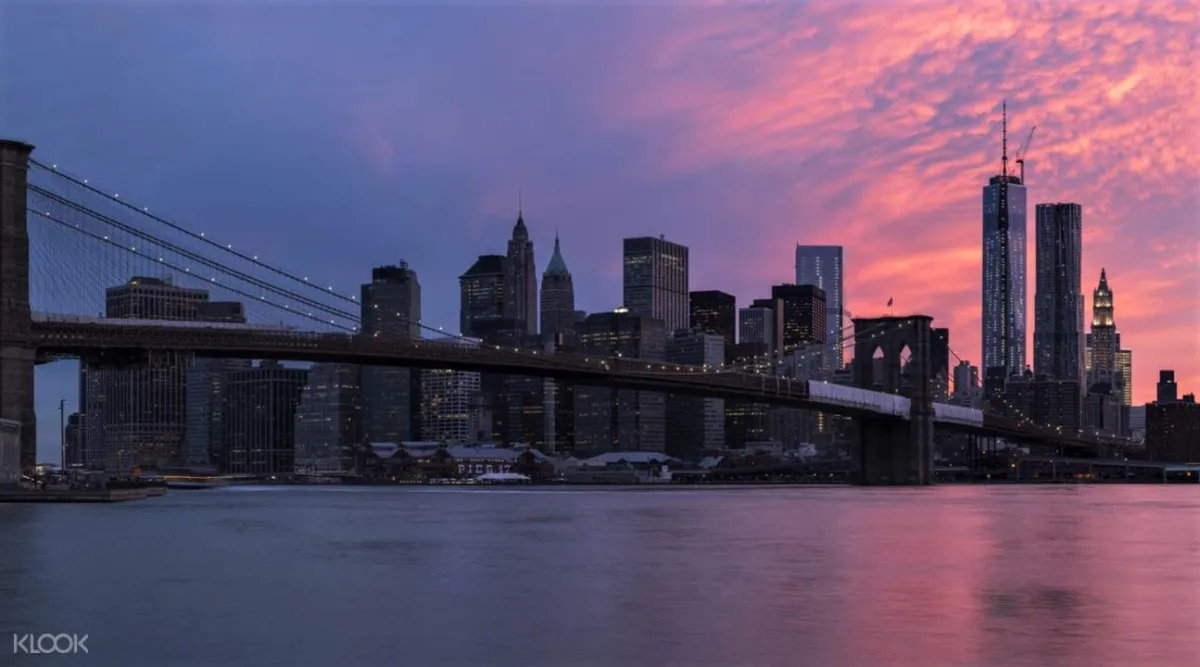 Photo: New York Harbor, via res.klook.com
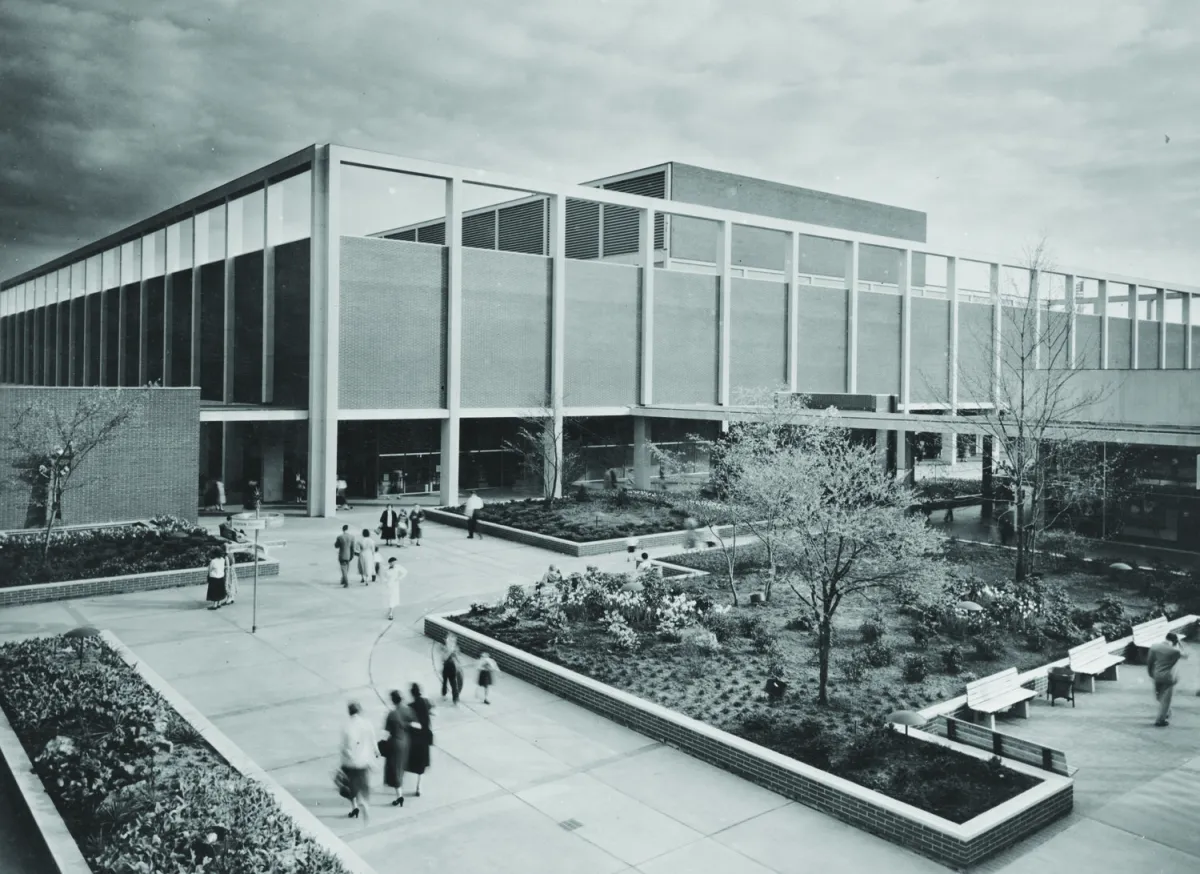 Photo: Victor Gruen, via images.squarespace-cdn.com
Gruen looked at the emerging suburbs of the 1940s and saw a disaster unfolding. Strip malls sprawled along highways. Downtown cores withered as families moved to subdivisions. Cars ruled everything. His solution was radical for its time—create enclosed, climate-controlled marketplaces that would recreate the feeling of European town squares, complete with cafes, civic buildings, and residential areas all within walking distance.
City planners laughed him out of the room. Who wanted to shop indoors when you could park right outside a store?
The Compromise That Changed Everything
By 1952, Gruen was desperate enough to accept a compromise. The Dayton Company in Minnesota wanted an enclosed shopping center, but they weren't interested in his grand vision of mixed-use community spaces. They just wanted stores, surrounded by a massive parking lot.
Gruen reluctantly agreed, thinking he could sneak in his urban planning ideals through the back door. Southdale Center opened in 1956 as America's first fully enclosed, climate-controlled shopping mall. It featured Gruen's signature elements: natural lighting, public art, and a central court designed to feel like a European plaza.
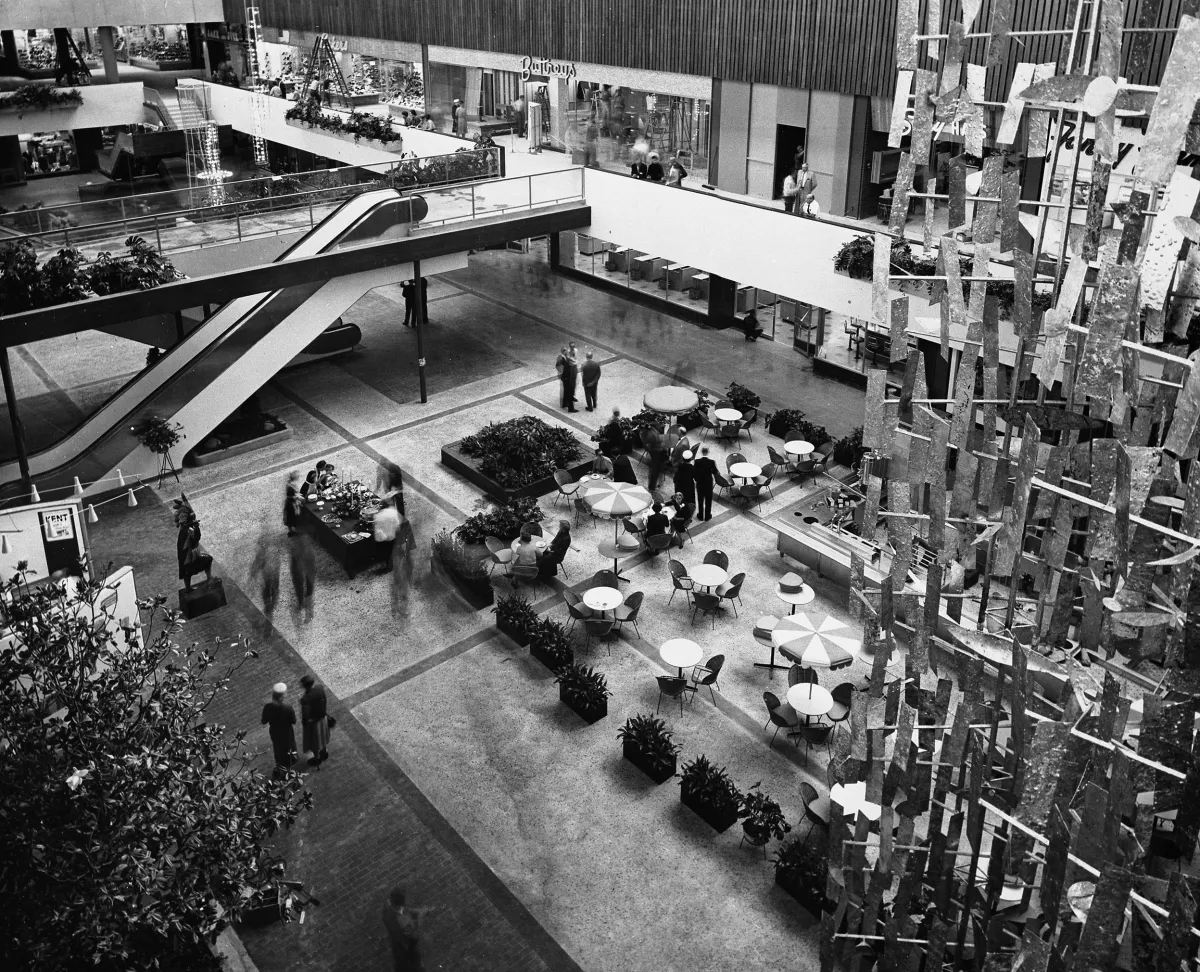 Photo: Southdale Center, via www.gruenassociates.com
But developers saw something else entirely. They saw a machine for extracting money from suburban families.
The Blueprint Goes Viral
Southdale was an instant success, but not for the reasons Gruen hoped. Families loved the convenience and comfort, but they weren't sticking around to build community. They were shopping and leaving. Within months, developers across America were calling Gruen's firm, demanding their own versions.
Each new mall stripped away more of Gruen's original vision. Gone were the residential areas, the civic buildings, the integration with public transportation. What remained was the basic formula: stores arranged around a central corridor, surrounded by acres of parking.
The Gruen Transfer—a term coined to describe how the mall's layout disoriented shoppers and encouraged impulse buying—became a deliberate design strategy. What had started as an attempt to create community gathering spaces was now being engineered to maximize consumer spending.
The Creator's Regret
By the 1970s, malls had metastasized across suburban America, and Gruen was horrified by what he'd unleashed. The enclosed shopping center had become exactly what he'd tried to prevent: a tool for suburban sprawl that drained life from downtown cores.
In a 1978 speech, Gruen disowned his creation entirely. "I refuse to pay alimony to those bastard developments," he declared, referring to the countless strip malls and shopping centers that borrowed his basic design while ignoring his urban planning principles.
He spent his final years advocating for pedestrian-only zones and mixed-use development, trying to undo the damage he felt responsible for. Gruen died in 1980, just as the mall boom was reaching its peak.
The Unintended Legacy
Today, as traditional malls struggle against online retail and changing consumer habits, Gruen's original vision seems almost prophetic. Modern developers are rediscovering his ideas about walkable communities and mixed-use spaces. The "lifestyle centers" and "town squares" popping up in suburbs across America echo his 1950s proposals.
But for decades, the enclosed shopping mall reigned as the unofficial town square of suburban America—a place where teenagers gathered, seniors walked for exercise, and families spent weekend afternoons. It was community, just not the kind Gruen had envisioned.
The irony is perfect: an Austrian refugee's attempt to save American cities from suburban sprawl instead gave suburban sprawl its most powerful weapon. Victor Gruen wanted to build the future of urban life. Instead, he accidentally architected the very consumer culture he was trying to resist.